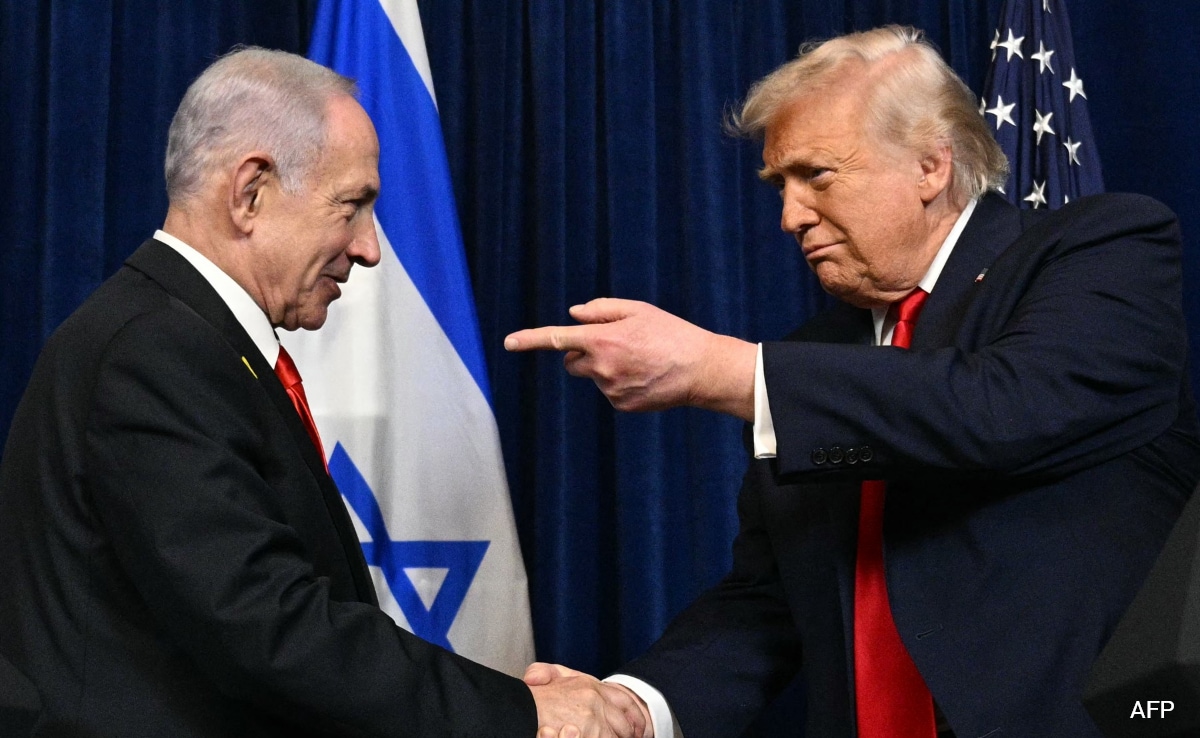
Donald Trump isn't exactly known for subtle diplomatic phrasing. While the world watches the fragile 10-day ceasefire between Israel and Lebanon, the President has bypassed the usual State Department "deep concern" script to heap some very specific praise on the Israeli government. He’s calling them "courageous, bold, loyal, and smart."
It’s a deliberate choice of words that tells you exactly how he plans to manage the Middle East in 2026. This isn't just a pat on the back for Benjamin Netanyahu. It's a calculated signal to NATO and other US allies who Trump thinks aren't pulling their weight. If you're wondering why he's leaning so hard into this "loyal" narrative right now, you have to look at the mess he’s trying to clean up with Iran and the collapsing security of the Strait of Hormuz.
The strategy behind the adjectives
Trump’s use of the word "loyal" is the real kicker here. In his view, loyalty is the ultimate currency. He’s been taking shots at NATO countries lately, basically saying they show their "true colors" by being hesitant when things get messy. By calling Israel loyal, he’s creating a sharp contrast. He wants the rest of the world to see that if you fight hard and stay in lockstep with his administration, you get the full-throated backing of the White House.
He also called them "smart" for knowing how to win. This is classic Trump branding. He’s obsessed with winners, and by framing Israel’s military actions in Lebanon—and the subsequent ceasefire—as a "win," he’s trying to manifest a reality where his brokered deals actually stick.
The 10-day window and the yellow line
The ceasefire itself is a high-wire act. It’s a 10-day temporary truce designed to see if both sides can actually stop shooting long enough to talk. Trump announced it on Truth Social, naturally, but the reality on the ground is way more complicated than a social media post.
- The Yellow Line: This is the new boundary in southern Lebanon. Israel says it’ll keep hitting anything it considers a threat south of this line.
- The 44-year gap: Trump mentioned that this could lead to the first direct meeting between Israeli and Lebanese leaders in over four decades.
- The Hezbollah factor: Lebanon supposedly agreed to "take care of" Hezbollah. How they actually do that without a civil war is the part nobody has an answer for yet.
Why Netanyahu was reportedly stunned
You’d think Netanyahu would be thrilled with all the "bold and loyal" talk, but behind the scenes, there’s some serious friction. Axios reported that the Israeli Prime Minister was actually "stunned" by some of Trump’s recent posts. Specifically, Trump claimed the US was "prohibiting" Israel from launching certain strikes in Lebanon as part of the deal.
That’s a big problem for Netanyahu’s domestic image. He can't look like he’s taking orders from Washington, even from a friend like Trump. The "loyal" label is a double-edged sword. It implies a partnership, but it also implies a hierarchy. Trump is essentially saying, "I’ve got your back, but you’re going to do this my way."
The Iran shadow
You can’t talk about the Lebanon ceasefire without talking about the war with Iran. We’re in April 2026, and the regional conflict has spiked oil prices and messed with global trade. Trump is desperate for a win to stabilize the economy. He’s warned Tehran not to "blackmail" the US over the Strait of Hormuz, which they’ve been trying to close.
Supporting Israel so loudly is his way of telling Iran that the US isn't backing down. He’s framing the Israel-Lebanon deal as a stepping stone to a broader "Trump Declaration" for peace that he’s been pushing since late 2025. It’s all about leverage. If he can stabilize the northern border of Israel, he can focus all that military and diplomatic pressure on Iran.
What this means for you
If you're following this because you're worried about gas prices or global stability, pay attention to the rhetoric, not just the troop movements. When Trump uses these specific words, he's setting the stage for who is "in" and who is "out" in his new global order.
- Expect more NATO friction: Every time he praises Israel’s loyalty, it’s a veiled threat to European allies.
- Watch the 10-day mark: If the ceasefire holds past the initial window, Trump will take a massive victory lap. If it fails, expect him to blame Lebanese leadership or "weak" international actors.
- Energy prices: This deal is a play to reopen the Strait of Hormuz. If the diplomacy works, you might see some relief at the pump.
Keep an eye on the official White House statements versus the Truth Social feed. The real policy usually lives somewhere in the middle of that gap. Don't get distracted by the adjectives; watch where the "yellow line" actually ends up.