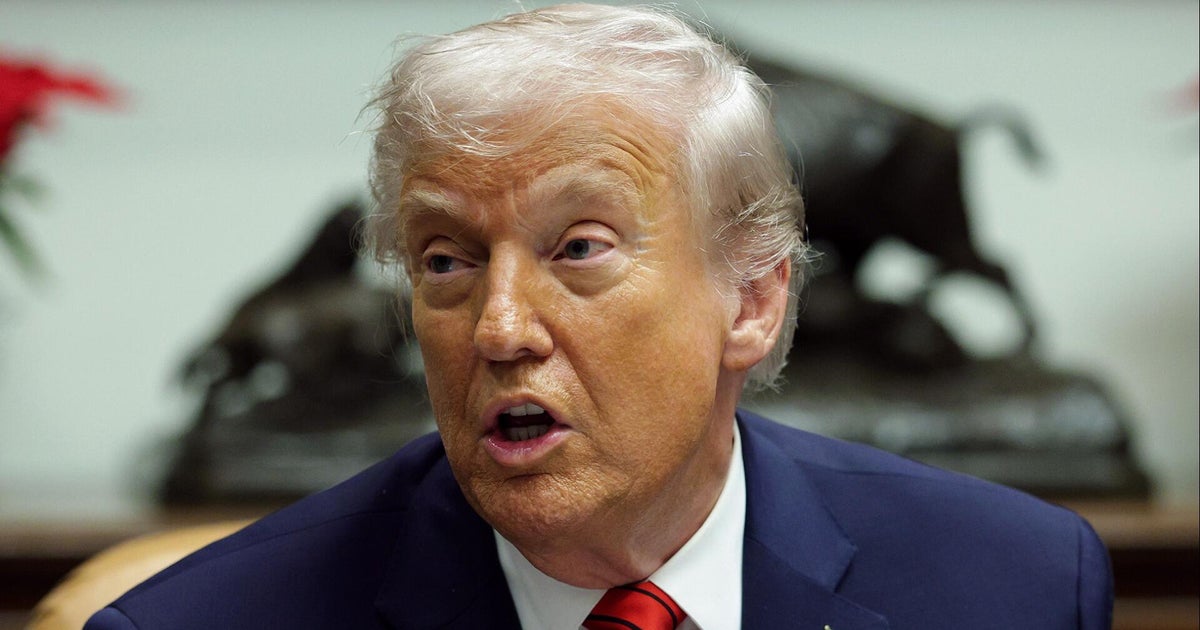
The diplomatic chessboard in the Middle East has shifted into a high-stakes waiting game. Donald Trump has signaled a willingness to extend the current ceasefire, but the clock is ticking against a backdrop of Iranian internal deliberations and a looming nuclear deadline. This is not a gesture of goodwill. It is a calculated tactical delay. By holding the line until Tehran submits its formal proposal, the administration is forcing the Islamic Republic to put its cards on the table before the next phase of economic pressure begins.
The core of this standoff involves a singular demand. Washington wants a total cessation of enrichment beyond civilian needs and a definitive end to regional proxy funding. Tehran, meanwhile, is grappling with a fractured leadership and a domestic economy that is bucking under the weight of existing sanctions. The extension provides a narrow window for a deal, but it also functions as a tripwire. If the Iranian proposal lacks concrete concessions, the pause ends, and the shift toward "maximum pressure 2.0" becomes inevitable.
The Calculus Behind the Extension
Delaying a military or economic escalation is rarely about peace in the absolute sense. In this instance, the extension serves three distinct masters. First, it provides the U.S. State Department with the necessary time to shore up Gulf allies who are wary of a sudden regional flare-up. Second, it strips Tehran of the "victim" narrative. If the U.S. is seen as the party willing to wait for a proposal, the burden of failure rests squarely on the shoulders of the Supreme Leader’s negotiators.
Third, and perhaps most importantly, this extension is a test of Iranian sincerity. Hardliners in Tehran have long argued that Washington is not interested in a deal, only in regime collapse. By granting this window, the Trump administration is effectively calling their bluff. If no proposal arrives, or if the proposal is filled with the same recycled rhetoric of the last decade, the diplomatic path is officially dead.
The mechanics of this ceasefire extension are brittle. It is not a formal treaty but a "gentleman’s agreement" held together by the threat of immediate retaliation. Military assets remain positioned in the Eastern Mediterranean and the Persian Gulf. The silence of the guns is a product of mutual exhaustion and strategic positioning, not a sudden outbreak of trust.
Inside the Iranian Proposal Vacuum
What exactly is Iran supposed to propose? The silence from Tehran is deafening. Behind the scenes, the Iranian foreign ministry is stuck between a rock and a hard place. To offer real concessions on enrichment is to admit the failure of their "Resistance Economy." To offer nothing is to invite an escalation that could dismantle their remaining energy infrastructure.
Reliable intelligence suggests that the Iranian leadership is currently split into three camps:
- The Pragmatists: They want a "more for more" deal that trades heavy enrichment curbs for immediate access to frozen assets.
- The Hardliners: They believe any concession is a surrender and prefer to "look East" toward Russia and China for an economic lifeline.
- The Military Elite: Specifically the IRGC, who view the nuclear program as their only ultimate insurance policy against foreign intervention.
This internal friction is the primary reason the proposal has not yet materialized. The U.S. extension is designed to exacerbate these divisions. By keeping the door slightly ajar, Washington is forcing the different factions in Tehran to fight each other for control of the narrative.
The Economic Shadow Over the Negotiating Table
Money is the invisible guest at every ceasefire discussion. Iran is currently operating on a skeleton budget. Inflation is rampant, and the black market rate for the rial has become the only true indicator of the country’s stability. The Trump administration knows that every week the ceasefire holds without a deal is another week that the Iranian treasury bleeds.
Conversely, the U.S. is facing its own pressures. Global oil markets hate uncertainty. A prolonged standoff keeps a "risk premium" on every barrel of crude, which impacts American gas prices. Extending the ceasefire is a way to stabilize these markets in the short term, giving the administration room to maneuver domestically while the foreign policy drama plays out.
The reality of the situation is that the "Iranian proposal" is likely to be a document of obfuscation. We should expect a 50-page manifesto that promises much in theory but offers little in the way of verifiable inspections or immediate enrichment halts. The U.S. team is already preparing its response to this expected stalling tactic.
The Regional Domino Effect
While Washington and Tehran stare each other down, the rest of the neighborhood is not sitting still. Israel has made it clear that its "red lines" regarding Iranian nuclear progress are independent of any U.S. ceasefire extension. Prime Minister Netanyahu’s government views any delay as a gift to Iranian scientists who are working in underground facilities like Fordow.
Saudi Arabia and the UAE are also playing a double game. Publicly, they support the de-escalation. Privately, they are concerned that a "weak" deal will leave them vulnerable to Iranian drone and missile technology, which has proven its effectiveness in the Ukraine and Yemen theaters. The ceasefire extension must, therefore, be seen as a way to manage these nervous allies just as much as it is about managing the enemy.
The Problem with Verification
If a proposal does surface, the primary hurdle will be verification. The previous nuclear deal, the JCPOA, was criticized for its "sunset clauses" and its perceived inability to inspect military sites. Any new proposal submitted during this extension will be subjected to a much harsher standard.
- Anywhere, Anytime Access: The U.S. will demand that IAEA inspectors can visit any site, including those under IRGC control, without prior notice.
- Permanent Caps: There is no appetite in the current administration for "temporary" freezes.
- Ballistic Integration: The U.S. insists that any nuclear deal must also address the delivery systems—the missiles themselves.
Tehran has historically viewed these three points as non-starters. This creates a fundamental paradox. The U.S. is extending a ceasefire to wait for a proposal that, if it meets U.S. standards, would be political suicide for the Iranian leadership to offer.
Strategic Patience or Strategic Trap
There is a school of thought in the intelligence community that this extension is not a delay at all, but a setup. By giving Iran "one last chance," the administration is building a legal and moral case for a much more aggressive intervention later. It is a way to say to the international community, "We waited. We offered extensions. They gave us nothing."
This is a classic veteran move. It removes the volatility of a sudden strike while keeping the target in a state of constant anxiety. For the Iranian leadership, the extension is a psychological weight. They have to decide if they want to risk everything on a gamble that the U.S. won't follow through, or if they want to dismantle their life's work for the sake of economic survival.
The risk for Trump is that the extension is used by Iran to further harden their facilities. Modern bunker-busting technology has its limits. Every day that passes allows Iran to bury its centrifuges deeper into the mountains. This is the trade-off. You trade time for diplomatic leverage, but in doing so, you give the adversary time to prepare for the eventual failure of that diplomacy.
The Brinkmanship of the Final Hour
As we approach the end of this extension, the rhetoric will likely sharpen. We will see "leaked" reports of Iranian progress and "unnamed sources" suggesting that the U.S. is preparing its B-2 bombers. This is the theater of high-stakes negotiation. It is meant to rattle the nerves of the negotiators in the room.
The fundamental truth is that Iran cannot afford a full-scale conflict, and the U.S. would prefer to avoid one. However, both sides are led by men who believe that the appearance of weakness is the greatest possible sin. This makes the ceasefire extension a very dangerous period. A single miscalculation by a Revolutionary Guard naval commander in the Strait of Hormuz or a technical glitch in a drone over Iraq could turn this "peaceful extension" into a regional conflagration in minutes.
The coming days will reveal whether this was a stroke of diplomatic genius or a tragic waste of time. The Iranian proposal, if it ever arrives, will not be the end of the story. It will merely be the start of a much more brutal chapter of negotiation.
The administration has made its move. The ball is now in a courtyard in Tehran, where the leadership is running out of options and, more importantly, running out of time. If the proposal is not substantive, the extension will be remembered not as a bridge to peace, but as the quiet before a very loud and very violent storm.
Prepare for the reality that no proposal will satisfy both the U.S. demand for total capitulation and the Iranian need for sovereign pride. The extension is a pause, not a solution. When the clock hits zero, the world will see exactly how much "maximum pressure" really costs.