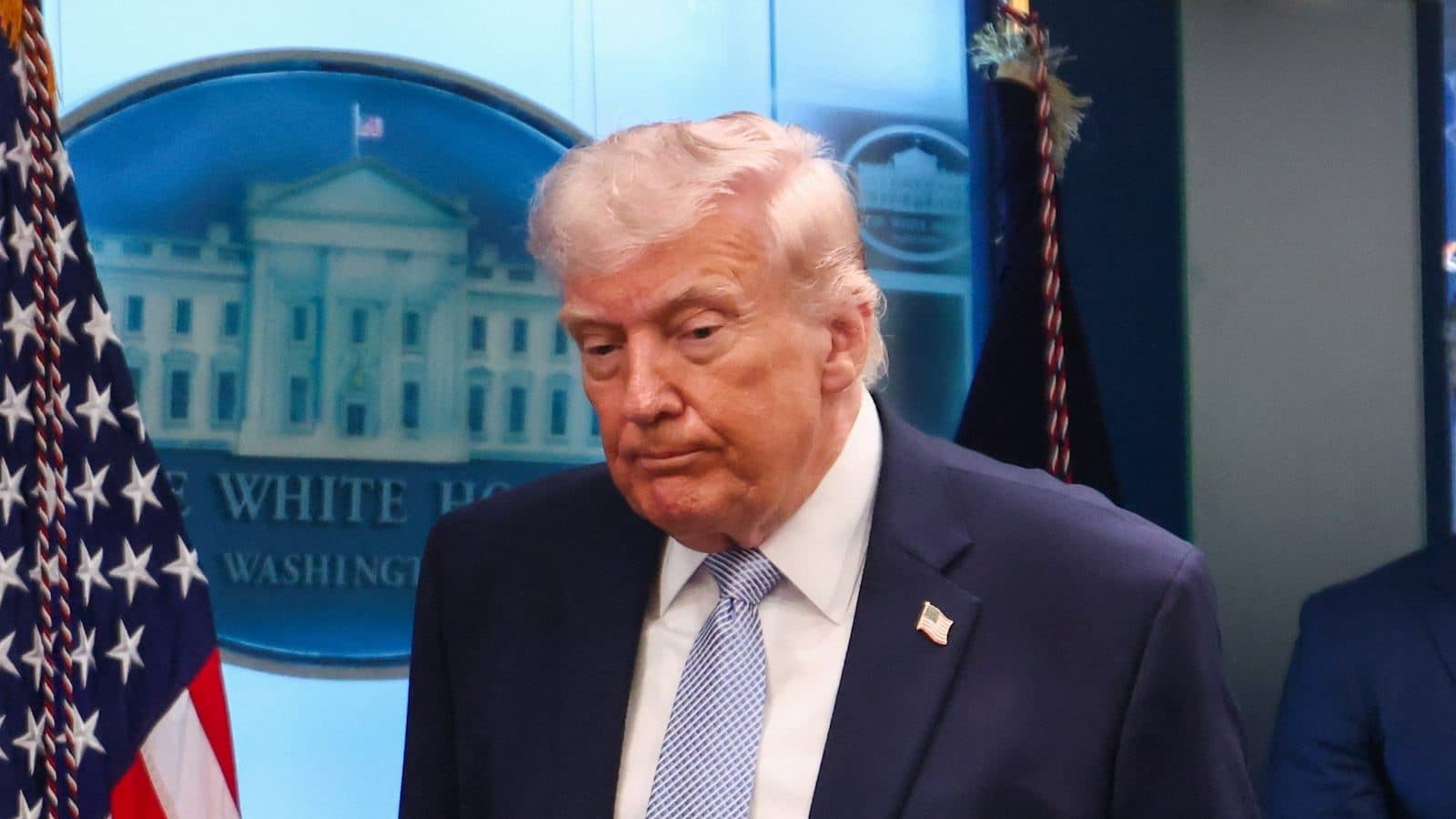
You can’t keep a politician like Donald Trump away from a crowd. It’s basically his oxygen. But after the chaotic scene at the White House Correspondents’ Dinner last Saturday, where a man armed with guns and knives tried to breach the ballroom, the Secret Service is facing a crisis of geometry and logistics. How do you protect a man who thrives in open, unpredictable spaces when those same spaces are becoming increasingly lethal?
We’ve seen this movie before—Butler, West Palm Beach, and now a Washington hotel. The April 2026 attack was the third major violent incident targeting Trump in less than two years. It’s not just about one bad actor anymore. It’s about a pattern of security gaps that the current playbook isn't catching. With the United States set to co-host the World Cup and celebrate its 250th anniversary this summer, the sheer volume of high-profile, high-risk appearances is enough to keep every agent in the Department of Homeland Security up at night.
The hotel room loophole and the outer perimeter
The biggest takeaway from the latest scare is that the "outer perimeter" is a myth. At the Washington Hilton, the suspect didn't have to fight his way past a metal detector. He just checked into the hotel. While the Secret Service is world-class at protecting the immediate space around the President, they don't own the building.
When a protectee goes to a hotel, there are hundreds of rooms with vantage points. People live there. People work there. You can’t strip-search every guest who has a suitcase. This "room-key loophole" is exactly how the latest attacker managed to get weapons past the initial layers. It’s a logistical nightmare because it requires the Secret Service to basically take over an entire private business just to keep one man safe for two hours.
The expert consensus is shifting. Rep. Michael McCaul and security veterans like Ronald Kessler are now suggesting that public hotels might be off-limits. If you're a security lead, you’re pushing for "controlled environments"—think military bases or purpose-built White House facilities where every single square inch is vetted 24/7. But for a guy who loves rallies, that feels like a prison.
Bulletproof glass is the new normal
If you’ve attended a rally recently, you’ve noticed the change. The iconic image of Trump behind a massive pane of ballistic glass isn't just for outdoor events in Pennsylvania anymore. Expect to see these transparent fortresses everywhere in 2026.
It’s a visual reminder that the "man of the people" persona is colliding with the reality of high-powered rifles. But glass only protects from one angle. The Secret Service is now grappling with "all-threat" environments.
- Drones: Small, consumer-grade tech that can carry payloads over fences.
- Cyber-Physical Attacks: Hacking into a venue’s HVAC or lighting system to create a diversion.
- Inside Threats: Vetting the thousands of temporary workers, caterers, and volunteers at massive venues like World Cup stadiums.
The World Cup and 250th Anniversary crunch
The timing couldn't be worse. The U.S. is about to hit its 250th birthday. Huge crowds, fireworks, and massive public gatherings are scheduled in every major city. Add the World Cup into the mix, and you have a security footprint that spans the entire continent.
Trump wants to be at the center of these events. But the Secret Service is already stretched thin. They’re managing protection for the President, the Vice President, their families, and visiting world leaders. Honestly, the math doesn't add up. Every time Trump decides to do an impromptu "walk-and-talk" through a crowd, he’s forcing agents to manage a 360-degree threat field with zero notice.
The cost of safety is your time
If you're planning to attend a rally or a public event with the President this year, bring a snack. The vetting process is about to get much more invasive. We’re talking about "airport-style" security but on steroids.
The Secret Service is likely to move toward:
- Earlier Lockdowns: Venues might be swept and sealed six to twelve hours before the event.
- Extended Perimeters: Expect to walk a mile from your car because the "no-go" zone for vehicles is expanding.
- Digital Vetting: It’s not just your pockets they’ll check; don't be surprised if pre-registration for rallies involves more intense background screening.
This isn't just about Trump. It’s about the precedent. If the most protected person in the world can’t go to a dinner without a gunman getting inside the building, the entire concept of the "public-facing presidency" is at risk.
Security teams aren't just looking at the next rally. They’re looking at the next decade. If they can’t solve the hotel-room loophole and the drone threat, the "rallies" of the future might just be a guy in a high-security bunker talking to a camera. And for someone like Trump, that’s a defeat in itself.
The immediate next step for the administration is a series of high-level meetings between Susie Wiles and the Secret Service leadership. They have to decide, right now, which events are too risky to attend. If you're a supporter, expect more indoor venues and much longer lines. If you're a critic, expect a President who is increasingly shielded from the very public he’s supposed to lead. Either way, the era of the "open" American political event is over.