The maritime showdown in the Persian Gulf just hit a fever pitch. On April 13, 2026, the United States officially transitioned from "economic pressure" to an outright naval blockade of Iranian ports. If you’ve been following the headlines about the Islamabad peace talks, you might’ve felt a flicker of hope that diplomacy would win out. But let’s be real. Those talks didn’t just fail; they crashed and burned, leaving the U.S. Navy to do the talking instead.
This isn’t just another round of sanctions. We're looking at a physical barrier in the water. U.S. Central Command (CENTCOM) began enforcing a strict "no-go" policy for any vessel entering or leaving Iranian docks. While they claim they aren’t stopping "neutral" traffic moving through the Strait of Hormuz to other countries like Kuwait or the UAE, the message to Tehran is blunt. Your trade is over.
The Islamabad Collapse and the Move to Force
For 21 grueling hours last weekend, Vice President JD Vance and a team of U.S. envoys sat across from Iranian representatives in Pakistan. The goal was a peace accord to end the "air war" that’s been simmering since February. It didn't happen. The sticking point? Iran won't budge on its nuclear ambitions, and the U.S. won't tolerate a nuclear-armed Tehran.
When Vance headed back to Washington, the gloves came off. President Trump didn’t waste time. He ordered the Navy to block "any and all" ships linked to Iranian trade. Honestly, it’s a massive gamble. By shutting down the ports, the U.S. is aiming for the jugular—Iran’s oil revenue. Experts from the Foundation for Defense of Democracies (FDD) estimate this blockade costs the Iranian economy roughly $435 million every single day. That's a staggering hit for a country already reeling from internal unrest and months of targeted strikes.
What’s Actually Happening in the Water
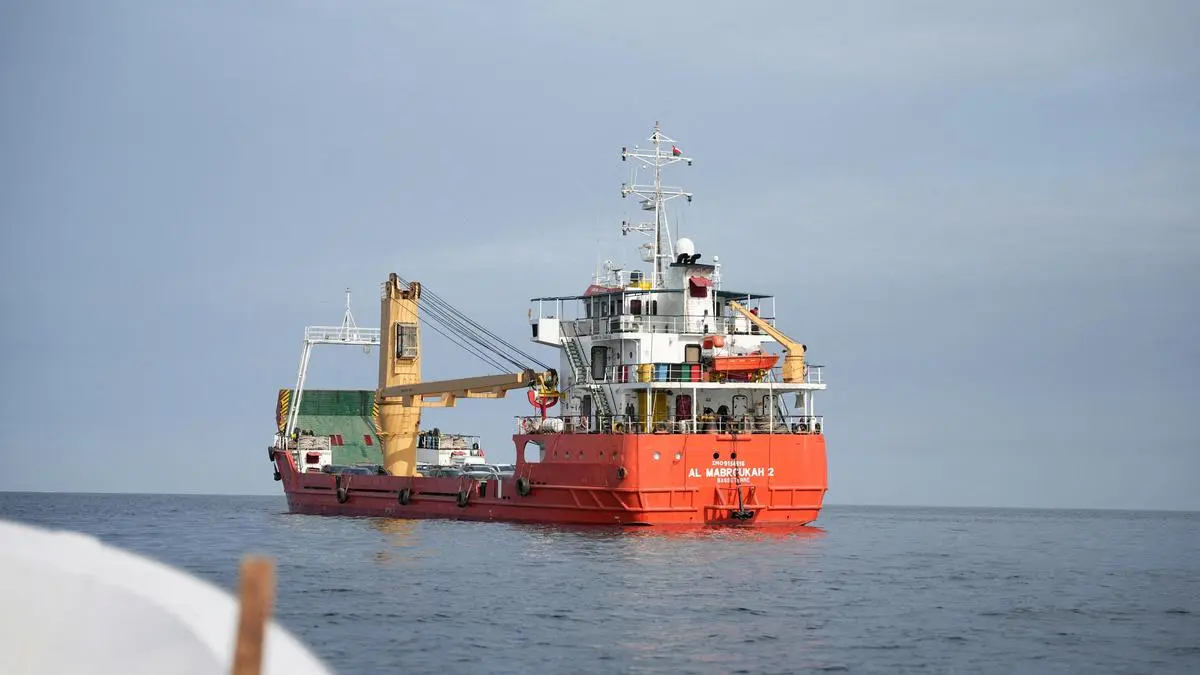
If you’re a merchant sailor in the Gulf right now, you’re looking at a nightmare. On April 14, a U.S. destroyer intercepted two tankers, including the Rich Starry, trying to leave the port of Chabahar. They didn’t get far. The U.S. is using its "Operation Epic Fury" playbook to identify shadow fleet vessels—those aging, under-insured tankers Iran uses to sneak oil to China.
- The Grace Period is Over: Neutral ships that were stuck in Iranian ports when the order came down were given a tiny window to leave. That window is shut.
- The Toll Road is Closed: Iran had been trying to charge ships $1 million "tolls" to pass through the Strait. Trump’s latest directive tells the Navy to interdict any vessel in international waters that’s paid these tolls. It’s a direct strike on Iran's attempt to monetize the world's most vital waterway.
- Waivers are Dead: The Treasury Department just confirmed it won’t renew the 30-day sanctions waiver that allowed some Iranian oil to hit the market. That expires April 19. After that, anyone buying Iranian crude—mostly independent refiners in China—is in the direct crosshairs of U.S. secondary sanctions.
The Economic Shockwaves
Don't think for a second this only affects the Middle East. March 2026 saw the largest monthly increase in oil prices in history. The IMF just slashed its global growth outlook to 3.1%, and they’re warning it could drop to 2.5% if this blockade stays in place through the year.
We’re seeing a return to 1970s-style energy anxiety. While Trump told other countries to "fend for themselves" when it comes to fuel, the reality is that a choked Strait of Hormuz makes everything more expensive for everyone. China, which buys about 90% of Iran’s oil, is the biggest loser here. Beijing is trying to play the "peacemaker" role, with Xi Jinping calling for respect for "territorial integrity," but it’s mostly just talk. They need that oil to keep their factories humming.
Iran’s Next Move
Tehran isn't just going to sit there and watch its economy bleed out. They’ve already called the blockade "piracy" and "illegal." The Iranian Revolutionary Guard Corps (IRGC) has threatened to lay more mines in the Strait. We’ve already seen 16 merchant ships damaged and 12 seafarers killed since this conflict started in February.
The real danger is a "breakout" attempt. If Iran tries to run the blockade with a heavily armed escort, we aren’t just looking at trade disputes anymore. We're looking at a full-scale naval war. For now, Iran is reportedly considering "pausing" shipments to avoid a direct fight while they wait to see if Pakistan can revive the talks. But they can only store so much oil before their tanks are full and they have to shut down the wells. Shutting down a well often causes permanent damage to the reservoir. It’s a "use it or lose it" scenario for their entire energy infrastructure.
What Happens Now
If you're tracking this for business or just trying to understand your gas prices, keep your eyes on April 19. That’s the hard deadline for the remaining oil waivers.
- Watch the Shadow Fleet: Monitor tracking data for tankers like the Alicia or Agios Fanourios I. How the U.S. handles these specific vessels will show how "strict" this blockade really is.
- Fuel Costs: Expect volatility. If the blockade holds, supply stays tight. If Iran retaliates with mines, prices will moon.
- Diplomatic Backchannels: Pakistan is still trying to get both sides back to the table before the current (and very shaky) ceasefire expires next week.
The U.S. is betting that Iran will break before the global economy does. It’s a high-stakes game of chicken where the "optimism" for talks has been replaced by the cold reality of naval steel.