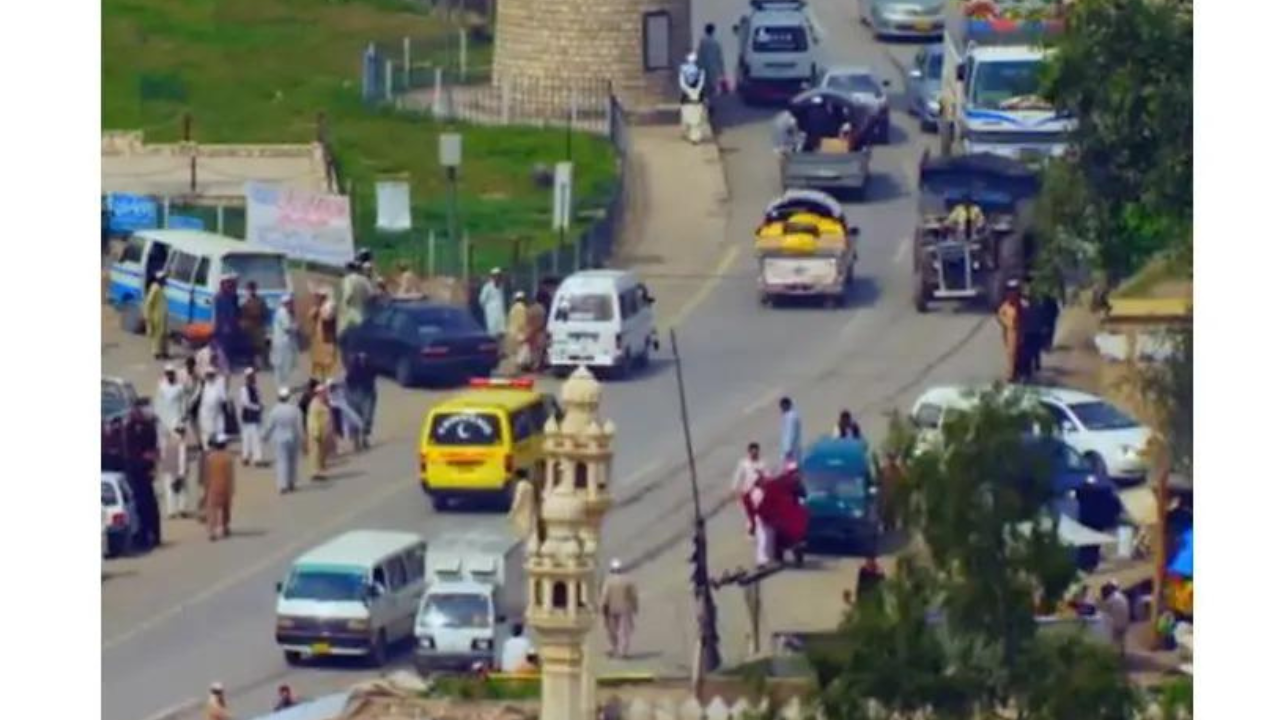
The United States is officially packing its bags in Peshawar. After decades of serving as a high-stakes diplomatic outpost on the edge of the Afghan border, the US Consulate General in Peshawar is shutting down for good. The State Department isn't being shy about the "why" either. They're citing a mix of persistent safety threats and a need to manage resources more effectively.
If you've followed the region at all, you know this isn't just a routine office closure. It’s a massive shift in how the US handles one of the most volatile corners of the world. For years, the Peshawar consulate was the front line. It was the hub for everything from counter-terrorism coordination to local economic development in Khyber Pakhtunkhwa (KP). Now, those responsibilities are shifting roughly 120 miles down the road to the US Embassy in Islamabad.
The safety reality check in Khyber Pakhtunkhwa
Washington’s decision to pull the plug on its physical presence in Peshawar didn't happen in a vacuum. The security environment in KP has been deteriorating for a while. With the surge in militant violence and constant friction along the Pakistan-Afghanistan border, keeping American diplomats in a city like Peshawar became a gamble the State Department was no longer willing to take.
Let's be real: Peshawar has always been a "hardship post." But the recent spikes in cross-border attacks and the rise of local extremist activity have changed the math. By moving operations to Islamabad, the US can provide a much higher level of protection for its staff without completely severing ties with the region. It’s a defensive crouch, sure, but it’s a calculated one.
What this means for local residents and officials
You might wonder if this leaves the people of Khyber Pakhtunkhwa in the lurch. According to the official line, the US is staying committed to the province. They’re promising to keep working on economic ties and regional security from their other bases in Islamabad, Karachi, and Lahore.
But anyone who has worked in diplomacy knows that "presence" matters. When you aren't on the ground, you lose that "coffee shop" level of intelligence and relationship building. It's harder to gauge the local mood or push through small-scale development projects when you're viewing the province through the lens of a fortified embassy in another city.
- Visa services: Expect a shift. If you’re in KP and need consular services, the trek to Islamabad is now your only option.
- Economic projects: US-led initiatives in the region will likely face more bureaucratic hurdles as they’re managed from afar.
- Security coordination: While the high-level talks will continue in Islamabad, the day-to-day tactical cooperation that happened in Peshawar will inevitably cool off.
Moving pieces in a larger regional puzzle
The timing is also interesting. This closure comes as the US attempts to navigate a messy geopolitical map. We're seeing a conclusion to major regional conflicts—like the recent wind-down of "Operation Epic Fury" against Iran—and a general desire from the Trump administration to consolidate resources.
Shutting down Peshawar is part of a broader "resource management" strategy. The US is essentially saying it can do more with less by centralizing operations. It’s a corporate-style restructuring applied to global diplomacy. Why run a high-risk, high-cost satellite office when you can run everything from a centralized hub?
The end of an era for US-Pakistan relations
The Peshawar consulate was more than just a building. It was a symbol of the US's deep, often complicated involvement in Pakistan's tribal areas and the Afghan war effort. Closing it marks the end of a specific chapter of American foreign policy—the one defined by being "on the ground" at any cost.
Don't expect the US to disappear from the region, though. The mission in Islamabad is massive and isn't going anywhere. But the era of having a dedicated, front-row seat to the border dynamics in Peshawar is over.
If you're an American citizen in the area or a local partner, you need to update your contact lists. The phased closure means some staff will still be around for a bit, but the window for direct, local engagement is slamming shut. If you have pending business with the consulate, move it to Islamabad sooner rather than later. The logistical transition is already in motion, and once that door locks for the last time, the diplomatic map of Pakistan will look very different.