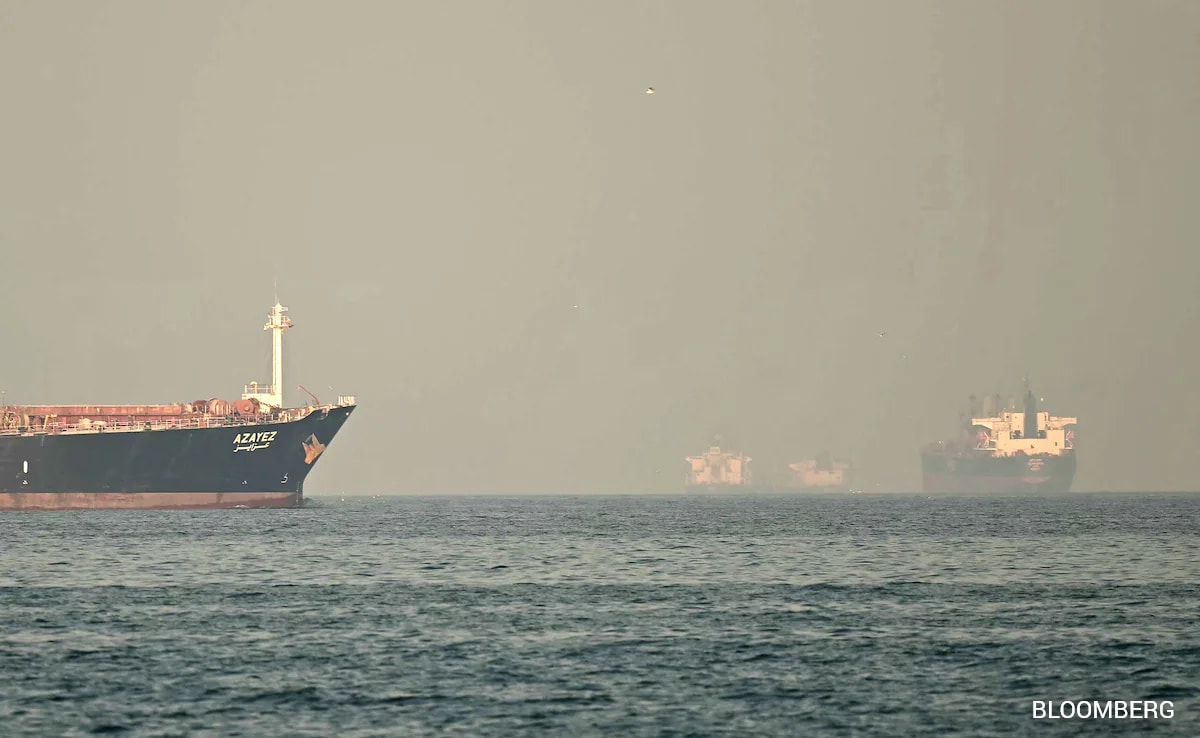
The White House just announced that the US Navy will "escort" oil tankers through the Strait of Hormuz.
Wall Street applauded. Oil futures dipped. The political machine breathed a sigh of relief. Everyone is busy dusting off their history books from 1987, referencing Operation Earnest Will like it’s a foolproof blueprint for maritime security. Don't miss our previous post on this related article.
They are wrong. They are dangerously, catastrophically wrong.
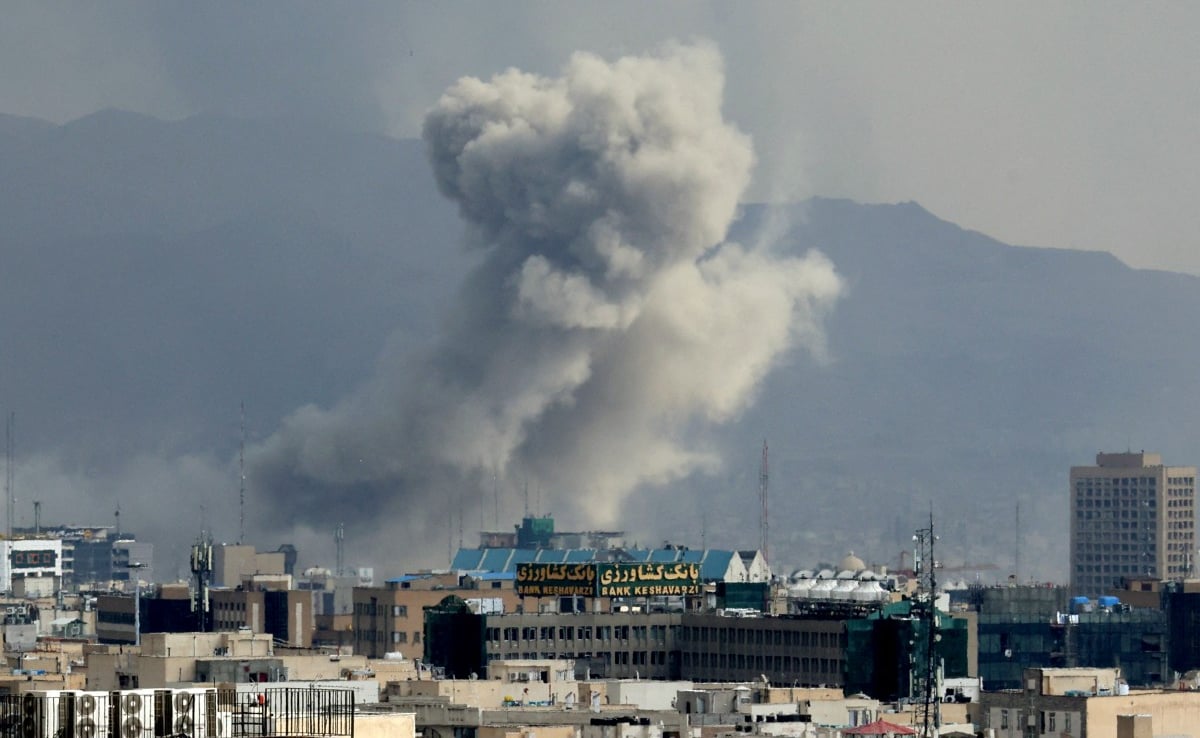
We are not in the 1980s. We are not dealing with a rogue state relying on motorboats and rudimentary mines. We are facing a sophisticated, integrated anti-access, area-denial (A2/AD) network that turns the Persian Gulf into a shooting gallery. Treating this like a nostalgic trip to the Cold War isn't just lazy; it’s an invitation to a naval disaster that will send oil prices into the stratosphere, not bring them down. If you want more about the background of this, Al Jazeera offers an informative breakdown.
The 1980s Fantasy
History is a bad teacher when you ignore the technical delta between then and now. In the original Tanker War, the threat to shipping was asymmetric but manageable. You had speedboats and mines. US Navy destroyers acted as an umbrella.
Today, the Strait of Hormuz is within range of Iranian hypersonic missiles, loitering munitions, and swarm-drone technology that didn't exist even a decade ago.
Imagine a scenario where a US destroyer is babysitting a Very Large Crude Carrier (VLCC). The tanker is a floating city of steel—massive, slow, and impossible to hide. It is the perfect target. Now, throw a swarm of 50 low-cost, AI-enabled drones at that convoy. The destroyer fires expensive interceptors until it runs dry. Then what? The next wave of anti-ship cruise missiles hits the unarmored, explosive-laden tanker.
You haven't secured the passage. You’ve just turned an economic incident into a military crisis involving a sinking American warship.
The Resource Trap
The public hears "Navy escort" and assumes we have an infinite supply of destroyers sitting idle, ready to play bodyguard.
The Pentagon is currently locked in an active shooting war with Iran. We are not in a "shadow conflict." Assets in the region are busy striking nuclear sites, missile batteries, and command centers. These vessels are active combatants, not picket boats.
Every destroyer tethered to a sluggish tanker is a destroyer pulled away from the primary mission of neutralizing the Iranian threat. You are trading tactical freedom for a superficial show of strength. It is a strategic miscalculation that leaves our fleet exposed and our tankers vulnerable.
The Insurance Illusion
The White House is touting the International Development Finance Corporation (DFC) as the answer for insurance. This is classic bureaucratic smoke and mirrors.
Private insurance syndicates—the groups that actually know risk—are pulling out because the physical reality of the region has changed. Insurance is not a magic spell that makes missiles disappear. It’s a pricing mechanism for risk. When insurers say "no," it’s because the math says the ship will likely be hit.
The government offering to backstop these policies is merely transferring the liability from the private sector to the American taxpayer. If a tanker gets hit, the taxpayer eats the loss. If the tanker sinks, the environmental and economic fallout remains, regardless of who writes the check for the hull.
The market knows this. That is why oil futures barely twitched after the announcement. Traders are not betting on the US Navy's ability to conjure safe passage; they are betting on the duration of the conflict.
The Real Problem
The goal should not be to keep the Strait of Hormuz "open." That is the wrong objective. The goal is to move energy, which currently means moving away from a bottleneck that Iran has effectively weaponized.
We need to stop treating the Strait as a fixed, non-negotiable highway. The industry is currently paralyzed because it refuses to accept that the era of "free flow" through the Gulf is temporarily over. The disruption is real. The scarcity is real.
Actionable advice for stakeholders? Stop waiting for a naval savior.
- Pivot or Pay: If you have supply chains dependent on Persian Gulf throughput, you are holding a bag of risk that no insurance policy can cover. If your logistical strategy doesn't involve heavy-duty rerouting through pipeline capacity or non-Gulf sources, you are not managing risk; you are gambling.
- Ignore the Headlines: Political posturing regarding "guaranteed passage" is for voters, not supply chain managers. Treat the Strait as closed indefinitely. If a ship gets through, that is an anomaly. If it doesn't, that is the new status quo.
- Capitalize on Volatility, Don't Fight It: The hedge is not in the shipping lane; it is in the product storage. The market is pricing in a war. Build your strategy around a long-term supply contraction, not a short-term military "solution."
The Navy cannot hold the door open while the other side is trying to blow it off the hinges. Stop looking at 1987. Start preparing for 2026.