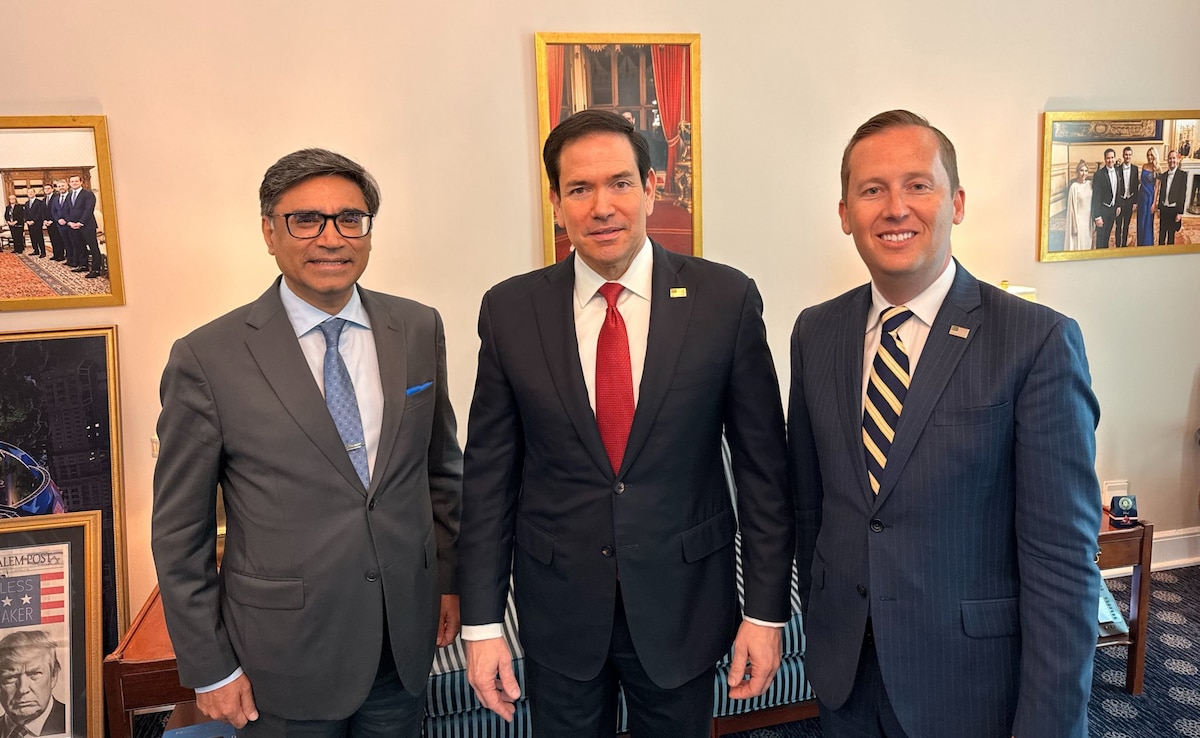
Foreign Secretary Vikram Misri just wrapped up a high-stakes three-day sprint in Washington D.C., and the takeaway is clear: the India-US relationship is moving out of the "polite conversation" phase and into hard-nosed, strategic execution. After a "productive" sit-down with US Secretary of State Marco Rubio at the White House on April 9, 2026, we now have confirmation that Rubio is heading to New Delhi next month.
If you've been following the shifting gears of the Trump administration’s foreign policy, this isn't just another routine diplomatic handoff. It's a calculated signal. Misri’s visit wasn't about photo ops; it was a deep dive into the nuts and bolts of trade, defense industrial ties, and the increasingly urgent critical minerals supply chain.
Why Rubio’s May Visit Matters Now
Diplomatic visits are often scripted months in advance, but the timing of Rubio’s upcoming trip to India suggests a specific urgency. The meeting in Washington, which included US Ambassador to India Sergio Gor, focused heavily on the Quad and bilateral trade. Rubio’s decision to fly to New Delhi so soon after Misri’s visit tells us that both sides want to lock in deals before the global geopolitical climate shifts further.
We aren't just talking about generic "cooperation." The discussions at the White House and the Pentagon centered on:
- Critical Minerals: Breaking the dependency on single-source suppliers for the tech of tomorrow.
- Defense Industrial Ties: Moving beyond buying and selling to actual co-production.
- The Quad: Strengthening the maritime security framework in the Indo-Pacific.
Ambassador Sergio Gor’s public confirmation of the meeting on X (formerly Twitter) emphasized these points. It’s rare to see such specific agendas blasted out so quickly, which usually means the foundations for these deals are already laid.
The Pentagon Sessions and the Elbridge Colby Factor
While the White House meeting grabbed the headlines, Misri’s time at the Pentagon was arguably where the real work happened. He met with Elbridge Colby, the Under Secretary of War for Policy. If that name sounds familiar, it’s because Colby has been a vocal proponent of a "denial strategy" in the Indo-Pacific—essentially ensuring no single power can dominate the region.
Misri and Colby focused on "sustaining the momentum" of defense exchanges. This follows Colby’s own trip to India just last month. When you see two high-level officials meeting twice in thirty days across two different continents, you know they’re hammering out something big. They discussed the volatile situations in West Asia and the Indo-Pacific, trying to find common ground on how to stabilize trade routes that are currently under threat.
Supply Chains and War Sourcing
Misri also sat down with Mike Duffey, the Under Secretary of War for Acquisition and Sustainment. This is the "how do we actually make the weapons" side of the house. They talked about:
- Technology sharing: Bypassing the usual bureaucratic red tape that keeps high-end tech out of Indian hands.
- Supply chain integration: Making sure that if a crisis hits, Indian and American factories can support each other’s needs.
A New Era of Reciprocity
Earlier this year, US Deputy Secretary of State Christopher Landau spoke at the Raisina Dialogue in New Delhi, and his message was blunt: "America First" doesn't mean America alone, but it does mean partnerships must be reciprocal. Misri’s meetings with Landau and Allison Hooker (Under Secretary of State for Political Affairs) this week seem to be the follow-up to that "tough love" approach.
They aren't just talking about shared values anymore. They're talking about shared interests. The US wants a stronger India to balance the Indo-Pacific, and India wants the tech and investment to fuel its rise. It’s a pragmatic, transactional, and ultimately more stable way of doing business.
What to Watch for in New Delhi
When Marco Rubio lands in India next month, don't look for the flowery speeches. Look for the fine print on critical minerals and defense co-production. The groundwork laid by Vikram Misri over the last three days suggests that we’re about to see some of the most significant bilateral agreements in a decade.
If you’re tracking this from a business or security perspective, keep your eyes on the announcements regarding the "Initiative on Critical and Emerging Technology" (iCET). That’s where the real money and the real power will shift.
Stop thinking of India-US ties as a slow-moving ship. Between Misri’s Pentagon visits and Rubio’s upcoming travel, this ship has just hit warp speed. The next 30 days will likely define the security architecture of the Indo-Pacific for the rest of the decade.
Stay updated on the official MEA and State Department briefings as we head into May. The specific language used around "defense industrial roadmaps" will tell you exactly how far this partnership is willing to go.