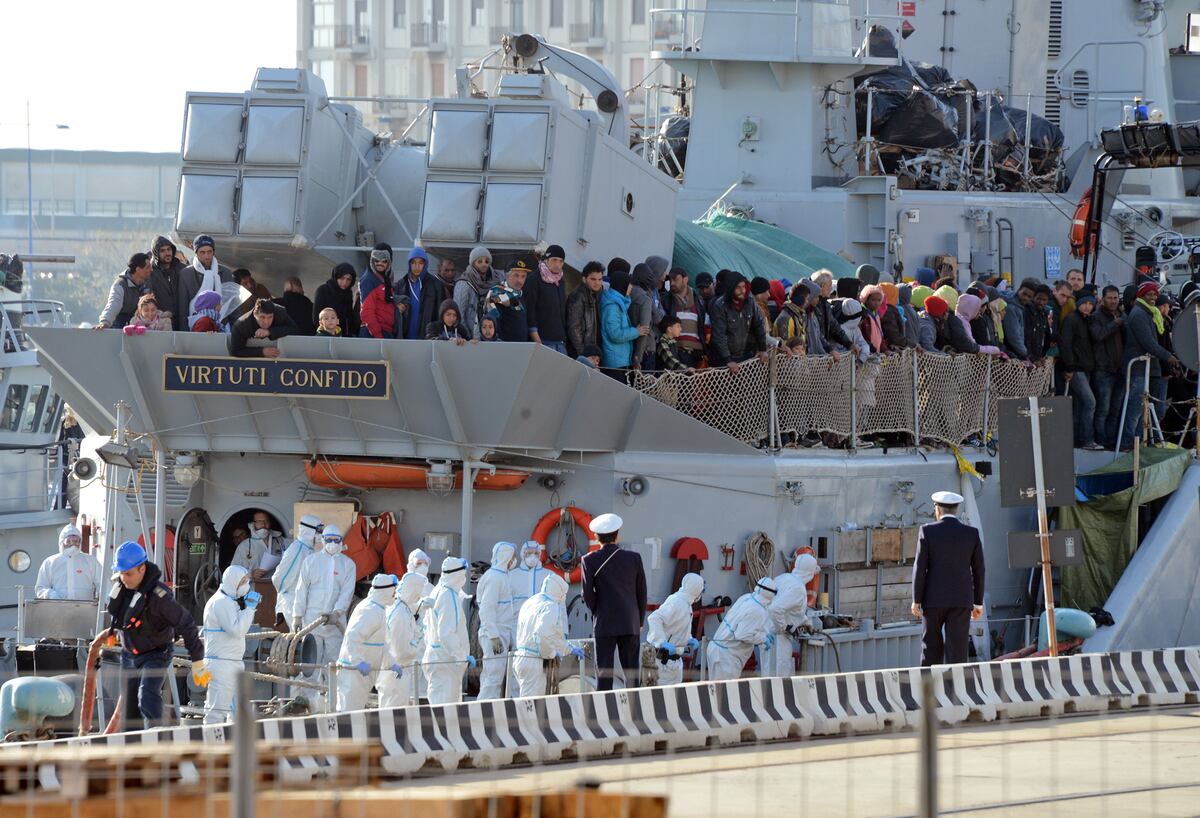
War doesn't just kill people. It kills the future. When Achim Steiner, the head of the United Nations Development Programme (UNDP), told France 24 that war is "development in reverse," he wasn't being poetic. He was describing a mathematical reality where a few months of shelling can erase thirty years of school buildings, hospitals, and paved roads.
Look at Gaza. Look at Sudan. Look at Ukraine. We’re watching countries slide backward down the human development index at a speed that should terrify anyone who cares about global stability. It's not a temporary pause in growth. It's a violent undoing of everything a society builds over generations. If you think development is just about GDP numbers, you're missing the point. Development is the baseline of human dignity—access to a toilet, a classroom, and a doctor. War turns that baseline into rubble. For another view, see: this related article.
The Brutal Math of Reconstruction
Building a bridge takes five years. Blowing it up takes five seconds. This lopsided math is why conflict is the most effective poverty trap ever invented.
When a bomb hits a power plant, it’s not just the concrete that’s gone. It’s the refrigerated vaccines in the clinic five miles away. It’s the small business that can’t run its lathes. It’s the student who can’t study after sunset. According to UNDP data, the destruction of infrastructure in conflict zones often sets back local economies by a decade for every year the fighting continues. Further insight on the subject has been provided by NPR.
In Gaza, the scale of destruction is almost impossible to wrap your head around. Reports suggest that nearly 70% of housing units have been damaged or destroyed. Think about that. Seven out of ten families have no home to return to. Even if the fighting stops tomorrow, where do they go? They don't just need peace. They need a literal city built from scratch. Steiner has pointed out that the Gaza Strip has been set back to a level of development not seen since the 1990s. We're talking about thirty years of life wiped out in less than a year.
Why the Human Capital Loss Hurts Most
You can rebuild a bridge with enough steel and cash. You can’t rebuild a lost generation of doctors.
War forces the most educated people to flee first. This "brain drain" isn't a minor side effect; it's a fatal blow to a country’s recovery. When the surgeons, engineers, and teachers leave, the "software" of the nation is gone. What’s left is a population traumatized by violence and stripped of the mentors they need to move forward.
Education stops. In Sudan, millions of children are out of school because of the ongoing civil war between the SAF and the RSF. Every day a child isn't in a classroom, their lifetime earning potential drops. Their ability to contribute to their country's GDP disappears. This is the "reverse" Steiner is talking about. It’s a compounding interest of failure.
We see this clearly in Ukraine. Beyond the front lines, the country is fighting to keep its school system alive online. Why? Because they know that if they lose the kids' education, they lose the country's long-term viability, even if they win every battle on the map.
The Debt Trap No One Mentions
Wars are expensive. Not just for the people buying the bullets, but for the people who have to pay for the cleanup later.
Countries in conflict usually see their debt skyrocket while their revenue disappears. They can't export goods. Their tax base is either dead, displaced, or broke. So, they borrow. They borrow to survive. By the time the smoke clears, these nations are shackled to interest payments that eat up any money that should go toward rebuilding schools.
It’s a vicious cycle.
- Conflict destroys the tax base.
- The government borrows at high interest rates because they're a "high risk."
- Post-war, every dollar goes to creditors instead of clinics.
- Lack of services leads to social unrest.
- Unrest leads back to conflict.
This isn't just a theory. We've seen it in Lebanon. We've seen it across sub-Saharan Africa. War makes a country "uninvestable." Why would a tech company or a manufacturing plant move to a region where the power grid might get leveled next week? They won't. Capital is a coward; it runs away from the sound of gunfire and it doesn't come back easily.
The Environmental Price Tag
We talk a lot about the human cost, but the environmental "reverse development" is just as bad. War is an ecological disaster.
Think about the Kakhovka Dam in Ukraine. Its destruction wasn't just a military move; it was an environmental catastrophe that ruined farmland and poisoned water supplies for a generation. When landmines are scattered across fields in Cambodia or Angola, that land is dead to the farmers for decades. You can't develop an agricultural economy when the soil might explode under your tractor.
This environmental degradation creates a permanent drag on the economy. It forces people into cities, creating slums and putting even more pressure on crumbling urban infrastructure. It’s a domino effect where every fallen piece makes the next one more likely to tumble.
Getting Back to Zero
The world needs to stop thinking about "post-conflict aid" as a charity project. It’s an investment in global security. If we don't help these nations rebuild, they become breeding grounds for the next crisis, whether that’s a new war, a pandemic, or a massive wave of migration that shakes the politics of neighboring continents.
Recovery isn't about getting back to where the country was before the war. It's about trying to catch up to where they should have been if the war never happened. That gap is often massive.
If you want to actually help, stop looking for "simple" solutions. Real recovery requires:
- De-mining operations that are funded for decades, not months.
- Debt forgiveness that actually allows governments to spend on their people.
- Digital infrastructure that can survive physical destruction, like cloud-based government records and remote learning.
- Psychological support for a population that has spent years in "survival mode."
The UNDP can’t do this alone. It requires a global shift in how we view the cost of conflict. Every time a ceasefire fails, the bill for the future goes up. We aren't just losing lives in these wars; we're losing the very possibility of a stable, prosperous world.
Stop thinking of war as a detour. It’s a dead end. The only way out is a massive, sustained commitment to rebuilding the "software" of society—education, law, and trust—alongside the "hardware" of roads and pipes. Anything less is just waiting for the next collapse.