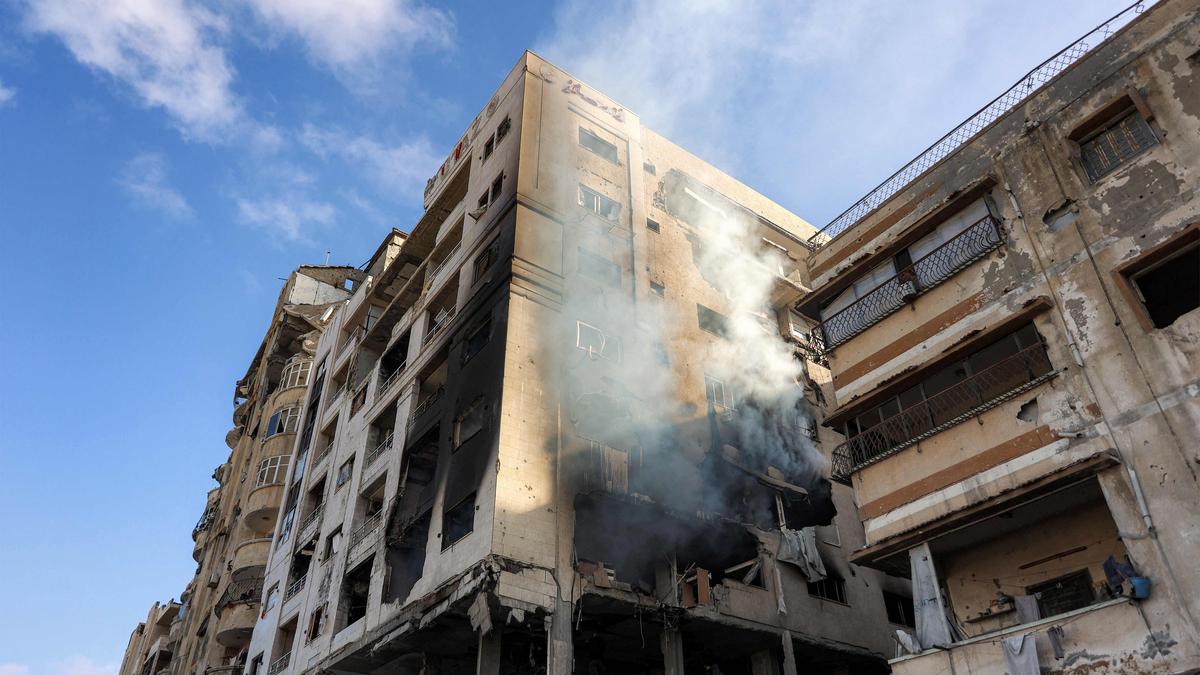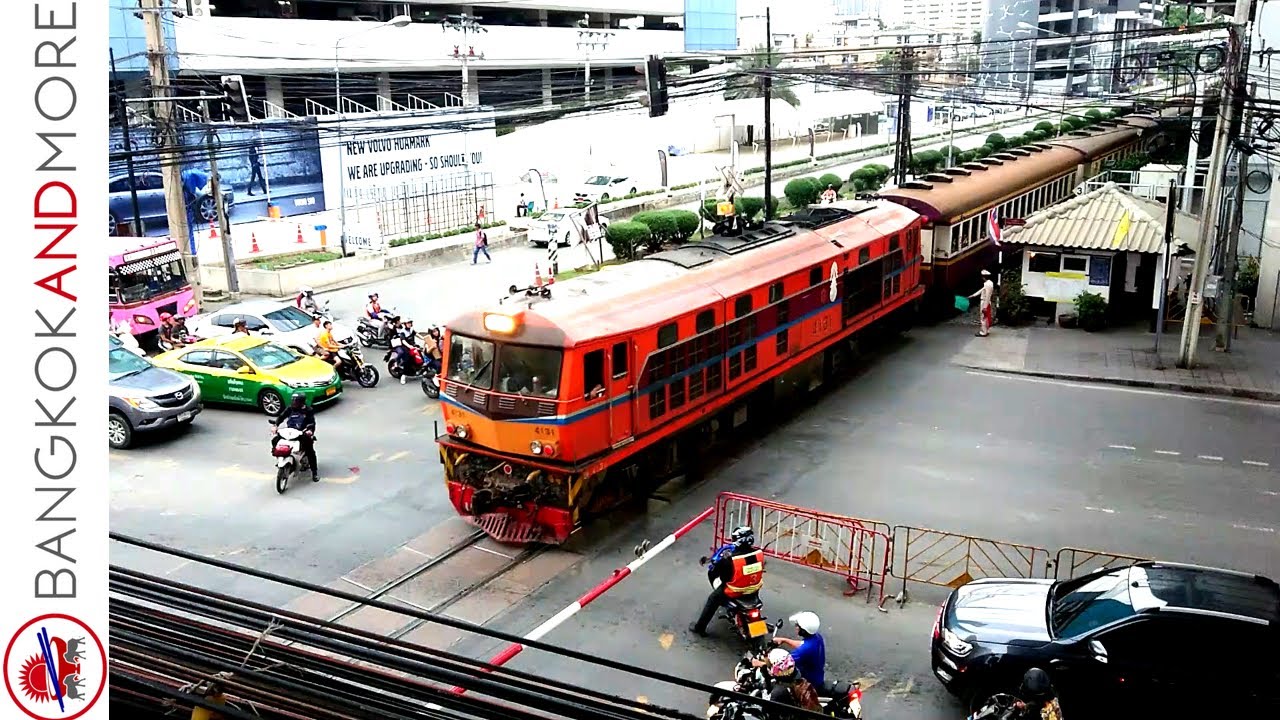
A freight train barrels down the tracks near Makkasan Station in the heart of Bangkok. A public bus, loaded with passengers, enters the rail crossing. The collision is instant, brutal, and unforgiving.
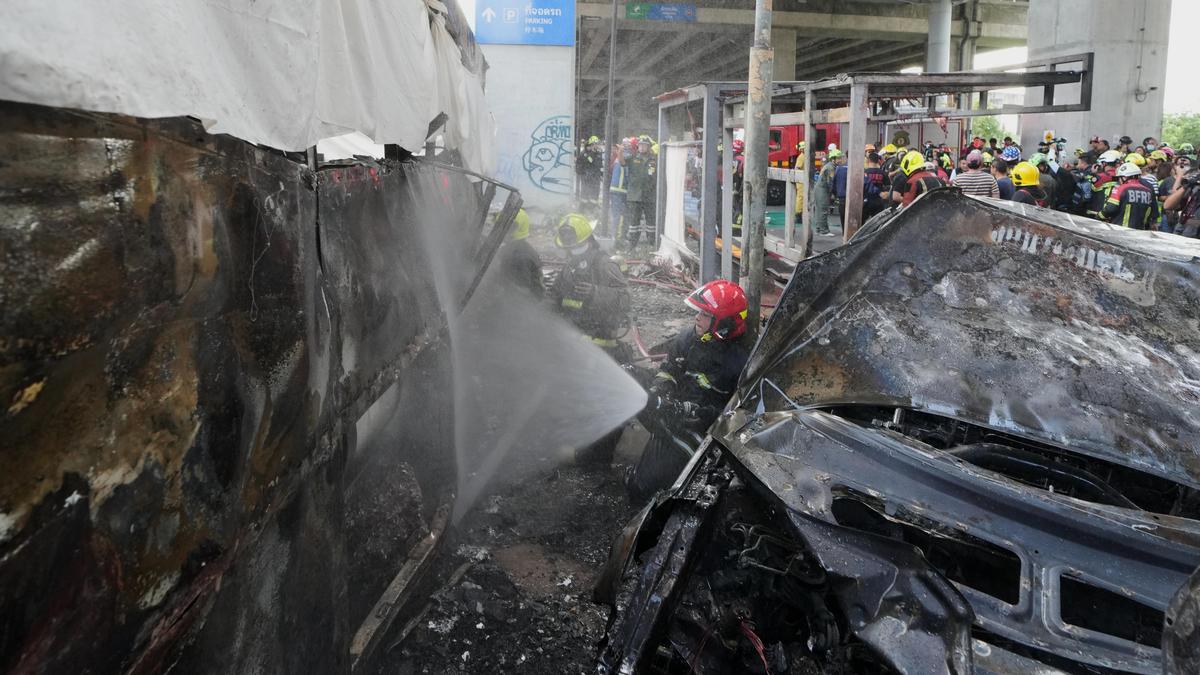
On May 16, 2026, this exact nightmare played out in Bangkok's Ratchathewi district. The impact triggered a massive fire that rapidly engulfed the Bangkok Mass Transit Authority (BMTA) public bus, turning a routine afternoon commute into a horrific scene of charred metal and panic. At least eight people lost their lives. Another 25 passengers suffered injuries, with rescue teams fighting through thick black smoke to pull victims from the burning wreckage.
This isn't a freak accident. It's the latest entry in a long, systemic history of transit tragedies in Thailand. If you've ever traveled through Thailand, you know how chaotic the intersections can be. But when rubber meets steel at an unprotected or poorly managed rail crossing, the results are consistently fatal.
The Anatomy of the Makkasan Station Crash
The details coming out of the Ratchathewi district paint a grim picture. The cargo train slammed into the side of the public bus, instantly rupturing fuel lines or components that sparked an immediate, aggressive blaze. The fire didn't just consume the bus; it spread to nearby vehicles trapped in Bangkok’s notorious gridlock.
Emergency responders from the Erawan Medical Center, alongside local firefighters, arrived to find a wall of flames. While fire crews used water hoses to suppress the inferno, rescue workers climbed into the gnarled, smoking frame of the BMTA bus to retrieve survivors. High-ranking officials, including Bangkok Governor Chadchart Sittipunt and Deputy Transport Minister Siripong Angkasakulkiat, rushed to the scene to coordinate the chaos.
But why did the bus end up on the tracks in front of an oncoming freight train?
While the official investigation by the State Railway of Thailand (SRT) is underway, locals and transit experts already know the usual culprits. Bangkok’s rail crossings are notorious for a dangerous mix of high traffic volume, poor visibility, delayed warning signals, and drivers trying to beat the train.
A History Written in Broken Track Barriers
To understand how this keeps happening, look at the data. Thailand's roads are historically ranked among the deadliest in the world. The World Health Organization has repeatedly flagged the country for its high traffic fatality rates. While motorcyclists account for the bulk of those numbers, mass casualty events involving buses and trains regularly shock the nation without forcing real structural change.
Look back to October 2020. A freight train smashed into a chartered passenger bus at a level crossing in Chachoengsao province, just east of Bangkok. That crash killed 18 people and injured dozens more. The investigation into that tragedy revealed an illegal crossing, a broken warning light signal, and zero physical crossing barriers.
Even earlier in 2026, a construction crane collapsed onto a passenger train in Nakhon Ratchasima province, killing over 30 people. The common denominator across all these incidents is a systemic failure in basic infrastructure safety and strict enforcement.
The Illusion of Safety at Thai Rail Intersections
I've looked at how these crossings operate, and honestly, it’s a miracle there aren't more collisions. Many level crossings across the country—especially those in rural areas or industrial bypasses—lack physical gates. They rely entirely on flashing lights or auditory sirens.
Even in central Bangkok, where infrastructure is supposedly better, heavy traffic often leaves vehicles stranded directly on the tracks. When a line of cars stalls over a gridlocked intersection, a bus driver has nowhere to go if the warning lights suddenly flash.
Add to that the issue of obstructed visibility. Urban sprawl means buildings, street vendor stalls, and overgrown brush often block a driver's view of oncoming trains until it’s too late. When you combine infrastructure blind spots with the pressure on public transit drivers to meet strict schedules, you get a recipe for catastrophe.
What Needs to Change Right Now
We need to stop treating these events as tragic coincidences. They are infrastructure failures. The Ministry of Transport and the State Railway of Thailand have promised investigations, but investigations don't save lives. Action does.
First, the SRT must eliminate all unregulated or "illegal" crossings and install physical, automated barriers at every single active rail intersection in the country. If a crossing cannot support a physical gate due to space constraints, it should be closed permanently.
Second, Bangkok needs stricter enforcement of yellow grid boxes at rail intersections. Drivers who enter a rail crossing without clear space to exit on the other side must face heavy fines. A bus should never, under any circumstances, sit idling on a train track due to a red light or traffic congestion ahead.
Finally, the transition toward grade-separated crossings—building overpasses or underpasses so vehicles never interact with trains—needs to be accelerated. The Airport Rail Link runs on elevated tracks right above where this accident occurred, proving that separating rail from road traffic works. It’s time to apply that same logic to ground-level freight and commuter trains.
If you are currently traveling in or around Bangkok, avoid crossing train tracks if traffic is backed up. Don't trust that the crossing is clear just because you don't hear a whistle. Watch the traffic flow ahead of you, ensure there is a full vehicle-length of space on the opposite side of the tracks before you cross, and never try to rush past a lowering barrier.