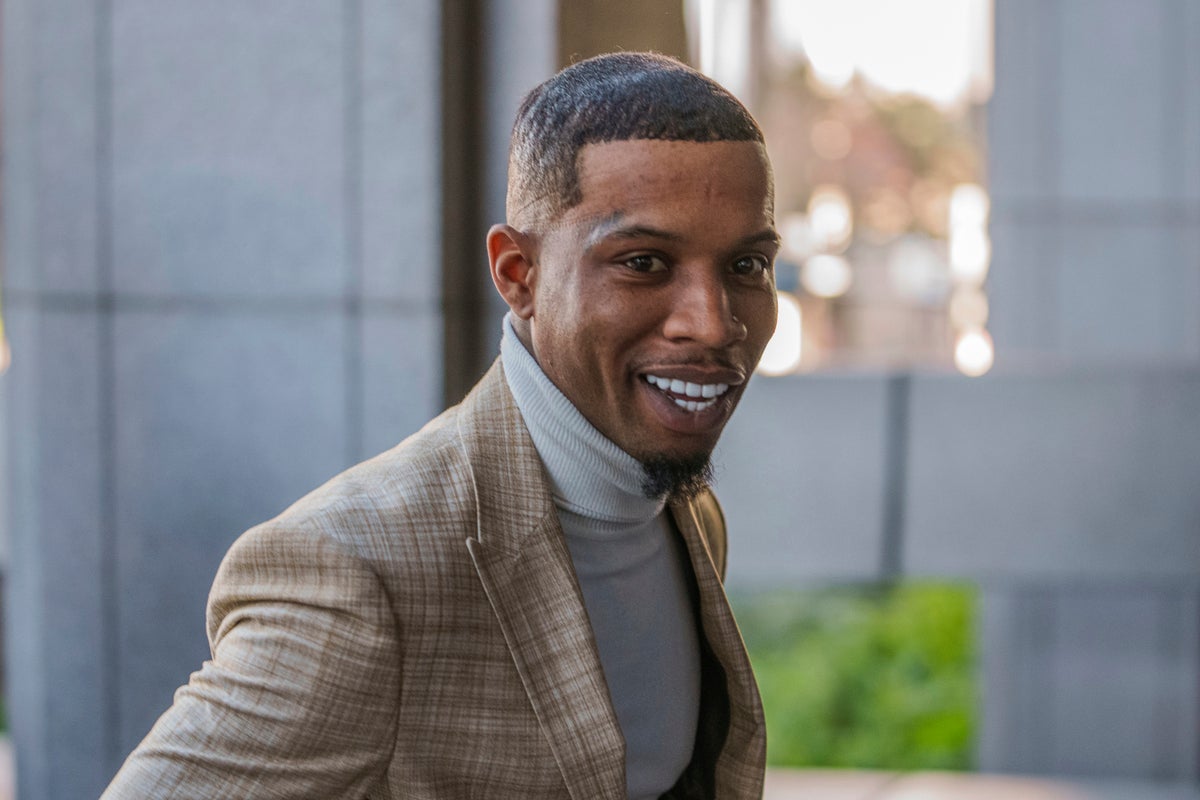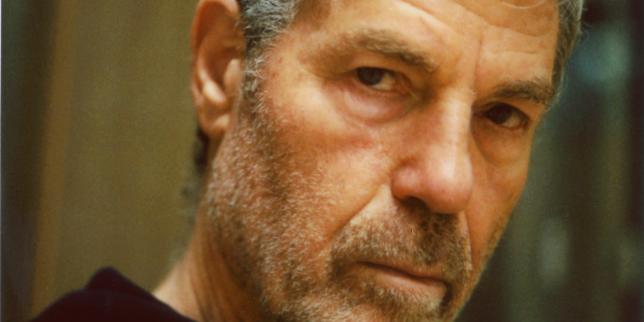
The dirt under the fingernails of the oil industry has never looked quite this expensive. When Landman premiered, the conversation immediately swirled around the visceral, often stomach-churning depictions of life in the Permian Basin. Jacob Lofland, the young actor playing Cooper Norris, became the face of this "graphic" shift in prestige television. However, the obsession with the show’s gore and grit often misses the more interesting story unfolding behind the camera. The narrative that Hollywood power players like George Clooney are pulling strings to manufacture stars is a persistent one, but the reality of how a young actor survives the Taylor Sheridan machine is far more complex than simple nepotism or a well-placed phone call.
Lofland has spent his career playing the quiet observer in loud worlds. From his breakout in Mud to the sprawling chaos of the oil fields, he represents a specific type of currency in modern Hollywood: the authentic outsider. While rumors persist that Clooney—who directed Lofland in The Midnight Sky—hand-delivered him to the Landman casting directors, the mechanics of the industry suggest a different brand of influence. In an era where "nepo baby" discourse dominates the headlines, the truth about Lofland’s ascent reveals a shift in how the industry builds its next generation of leading men. It is less about backroom handshakes and more about a brutal vetting process that demands physical and psychological endurance.
The Cost of Realism in the Permian Basin
Taylor Sheridan does not do sets. He does locations. For the cast of Landman, this meant trading the air-conditioned comfort of a soundstage for the unforgiving heat and genuine danger of active oil rigs. When Lofland speaks about the "graphic" nature of the show, he isn't just referring to the prosthetic blood or the scripted violence. He is talking about the sensory overload of a working patch.
The industry likes to use the word "immersion" as a marketing tool. On a Sheridan production, immersion is a survival tactic. The actors are frequently placed in proximity to heavy machinery that doesn't care about a shooting schedule. This creates a specific kind of tension on screen that cannot be faked. It’s a high-stakes environment where the line between acting and reacting becomes dangerously thin.
The "graphic" reality often cited by the cast involves the physical toll of the West Texas environment. We are seeing a move away from the polished, sanitized versions of blue-collar work that dominated television for decades. Landman pushes the audience to look at the grease, the chemical burns, and the bone-deep exhaustion of the "roughnecks." For an actor like Lofland, portraying that level of trauma requires a willingness to be broken down. The audience isn't just watching a story about oil; they are watching a study of how extreme environments erode the human spirit.
Deconstructing the Clooney Connection
The rumor mill loves a mentor-protege story. It’s clean, it’s easy to understand, and it fits the old-school Hollywood mold. George Clooney’s name carries immense weight, and his previous collaboration with Lofland undoubtedly put the young actor on a specific radar. However, the idea that a single recommendation secures a lead role in a multi-million dollar Taylor Sheridan production ignores the current financial realities of streaming.
Paramount+ isn't in the business of doing favors for legendary actors. They are in the business of data and reliability.
Clooney’s "help" was likely more about professional validation than a direct job placement. In the high-stakes world of modern TV, a director's endorsement acts as a form of insurance. It tells producers that an actor can handle the pressure of a massive set and the eccentricities of a demanding creator. Lofland didn't get the role because Clooney called in a favor; he got the role because he had already survived the scrutiny of one of the industry's most meticulous directors. The "rumor" of Clooney’s involvement serves as a distraction from the actual work Lofland did to prove he could anchor a narrative built on grit and silence.
The Sheridan Factory and the New Leading Man
There is a specific archetype that Taylor Sheridan looks for, and it has nothing to do with traditional leading-man polish. He wants actors who look like they’ve spent a decade in the sun. He wants voices that sound like they’ve swallowed a handful of gravel. Lofland fits this mold perfectly, offering a bridge between the vulnerability of youth and the hardening effects of the labor he’s portraying.
The Sheridan "factory" is a unique ecosystem. Unlike the Marvel Cinematic Universe, which prioritizes brand over individual performance, Sheridan’s shows are built on the backs of specific, rugged personalities. From Kevin Costner to Billy Bob Thornton, the veteran presence is always there, but the secret sauce is the younger cast members who have to do the heavy lifting in the dirt.
Survival of the Fittest on Set
- Physical Preparation: Actors are often sent to "Cowboy Camp" or its equivalent to learn the manual labor associated with their roles.
- Minimalist Dialogue: Sheridan writes for the eyes, not the mouth. Actors must convey complex internal shifts with very little script to lean on.
- Environmental Hostility: Shooting in sub-zero temperatures or 100-degree heat is a requirement, not an exception.
Lofland’s performance in Landman is a masterclass in this minimalist approach. He isn't competing with the explosions or the towering presence of Billy Bob Thornton. He is existing within them. This is the "graphic" reality that matters—the psychological weight of being a small cog in a massive, indifferent machine.
The Myth of the Overnight Success
The narrative surrounding Landman often treats Lofland as a newcomer being "helped" into the spotlight. This erasure of his decade-long career is a common trope in entertainment journalism. It creates a more dramatic story, but it ignores the craft. Lofland has been working steadily since 2012, building a resume of intense, understated performances.
When we talk about Clooney "helping" him, we should be talking about the recognition of talent by a peer. The industry functions on a system of social proof. Every role Lofland took, from The Maze Runner to A World Away, served as a building block. By the time Landman came around, he wasn't a gamble; he was a proven asset. The "graphic" scenes that the audience finds shocking are, for him, the culmination of years spent learning how to disappear into uncomfortable spaces.
Why the Oil Industry is the New Frontier for Drama
The shift from the ranching dramas of Yellowstone to the oil fields of Landman represents a pivot toward a more volatile form of American storytelling. Oil is a boom-and-bust industry, defined by sudden wealth and catastrophic loss. This volatility provides a perfect backdrop for the kind of high-tension drama that Sheridan excels at.
The audience’s fascination with the "graphic" nature of the show stems from a disconnect. Most viewers have no idea where their energy comes from or the human cost of extracting it. Landman forces that reality into the living room. It strips away the political debates and focuses on the physical toll. Lofland’s character is the surrogate for the audience—the young person entering a world that is older, meaner, and far more dangerous than they expected.
The Fragility of the Modern Actor
There is a growing trend of "misery porn" in high-end dramas, where the suffering of the characters is the primary draw. While Landman flirts with this, it stays grounded because of the performances. Lofland’s Cooper is not just a victim of the industry; he is a participant.
The rumors of celebrity interference—the "Clooney factor"—speak to a broader anxiety about how talent is discovered today. In a world where TikTok stars are getting movie deals, there is a desperate desire to believe that the "old ways" of mentorship and meritocracy still exist. Whether Clooney helped or not is ultimately irrelevant to the quality of the work. What matters is the result on screen.
Lofland represents a return to a more stoic form of acting. He doesn't beg for the audience's sympathy. He earns it through endurance. The "graphic" reality of Landman isn't just the blood on the floor; it's the look in a young man's eyes when he realizes the world doesn't care if he lives or dies as long as the pumps keep moving.
The Evolution of the Industry Analyst Role
Looking at Landman through the lens of an industry analyst, the show is a calculated risk. It’s an expensive, brutal, and unapologetically masculine story in a marketplace that is increasingly fragmented. The success of the show depends on whether audiences can stomach the "graphic" honesty that Lofland and his costars are delivering.
The industry is watching. If Landman succeeds, it validates the idea that audiences want "hard" truth over escapism. It proves that the Sheridan model—high production value, extreme locations, and a focus on the gritty realities of American labor—is the most stable bet in streaming.
Lofland is the key to this. If he can carry the emotional weight of the show, he moves from "the kid Clooney liked" to a cornerstone of a multi-billion dollar franchise. The stakes for him are just as high as they are for the characters he plays. In the Permian Basin, as in Hollywood, you are only as good as your last strike.
The oil fields of West Texas are a graveyard of ambition and a cathedral of greed. Landman captures both, using the physical suffering of its cast to illustrate the spiritual cost of the American dream. The rumors of how an actor got there are just noise compared to the roar of the engines. Stop looking for the "how" behind the casting and start looking at the "what" on the screen. The reality is much more interesting than the gossip.