The image of Dubai as a high-tech, weather-proofed playground for the global elite dissolved under the weight of record-breaking rainfall that turned the city’s shimmering boulevards into stagnant canals. Thousands of British travelers and expatriates found themselves marooned in a literal and metaphorical swamp, discovering that the "city of the future" had neglected the most basic infrastructure of the past. While social media feeds filled with videos of luxury SUVs bobbing like corks, the real story wasn't just the water. It was the total systemic failure of a desert metropolis built on the assumption that nature could be permanently sidelined.
Dubai is a city engineered for heat, not for the hydrologic reality of a changing climate. When a year's worth of rain fell in twenty-four hours, the drainage systems—where they existed at all—were overwhelmed instantly. This was not a "freak accident" in the eyes of urban planners. It was an inevitable reckoning for a development model that prioritizes vertical height and aesthetic grandeur over subterranean resilience. For the tourists trapped in terminal lounges or the residents watching sewage back up into multi-million-pound villas, the glamor evaporated, replaced by the grit of survival in a city that forgot how to breathe. Learn more on a similar subject: this related article.
The Architecture of Denial
Dubai’s rapid expansion is a marvel of civil engineering, but it is also a masterclass in hubris. The city is built largely on reclaimed land and sand, surfaces that do not naturally absorb water once they have been paved over with miles of non-porous asphalt and concrete. In a traditional city, storm drains lead to massive interceptors. In Dubai, the strategy for decades has been to let the sun evaporate the occasional puddle.
When the skies opened, there was nowhere for the water to go. The gravity-based systems were insufficient for the volume, and the pumping stations lacked the capacity to move the deluge away from critical arteries like the Sheikh Zayed Road. This left the city's logistics paralyzed. Supply chains for food and water were severed, not because of a lack of inventory, but because the last-mile delivery routes were six feet deep in runoff. More reporting by AFAR delves into comparable perspectives on this issue.
British expats, many of whom moved to the Emirates for the promise of a frictionless lifestyle, were forced to confront the fragility of their environment. They found themselves in a gold-plated cage. Elevators in skyscrapers failed, leaving the elderly and families trapped on high floors without power. The "smart city" features that usually define the Dubai experience—automated services, app-based deliveries, and seamless transport—became liabilities the moment the grid felt the strain.
The Aviation Chokepoint
Dubai International Airport (DXB) is the busiest international hub on the planet. It is the heart of the global transit economy. When the runways flooded, the ripple effect did not just affect the UAE; it threw global aviation into a tailspin.
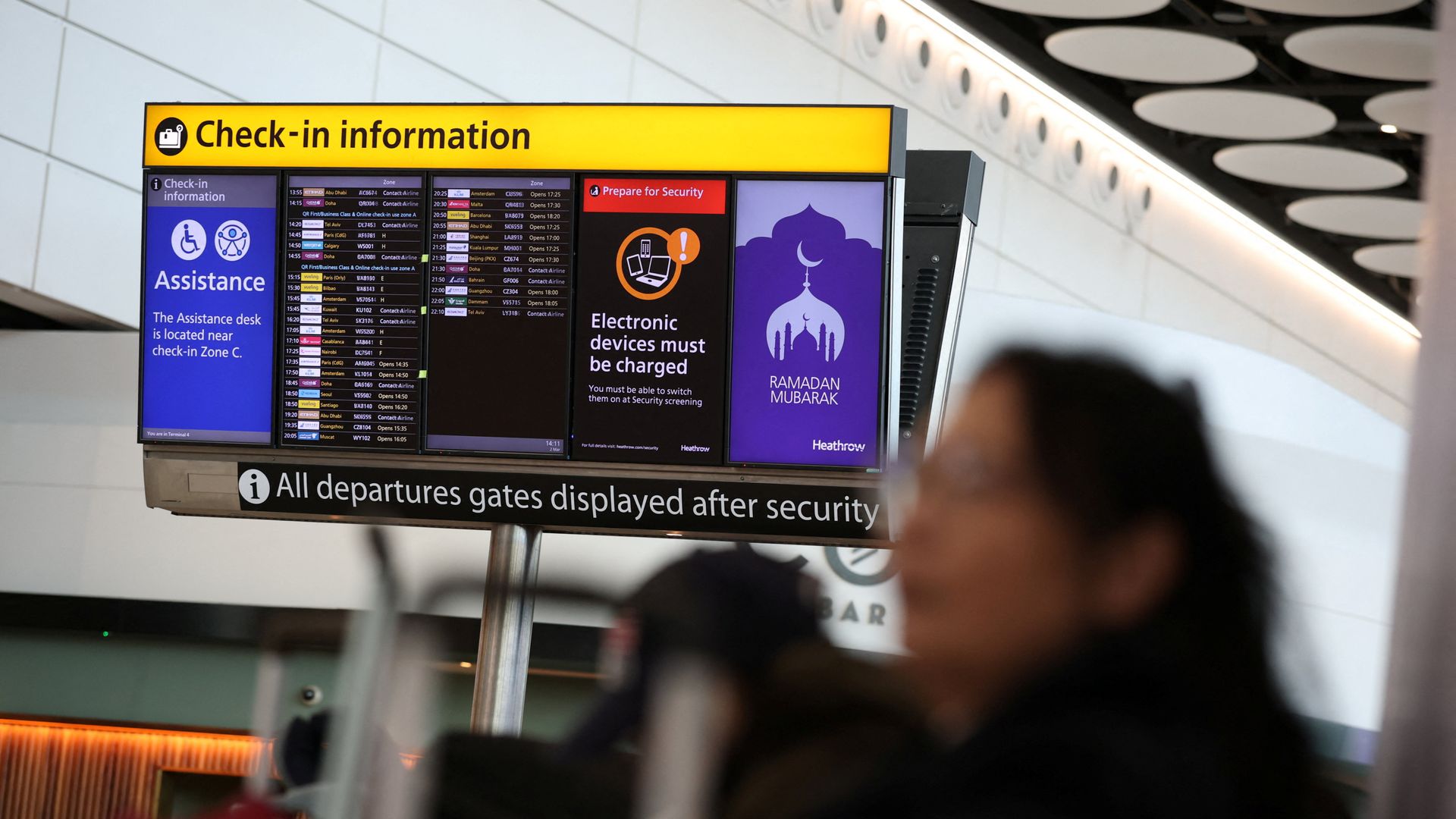
The chaos inside the terminals revealed a staggering lack of contingency planning. Thousands of travelers were left sleeping on floors, many without clear information from carriers who seemed just as stunned as the passengers. The problem was not just the rain, but the inability of the airport’s workforce to reach their posts. Many ground staff lived in outlying areas where the flooding was even more severe, highlighting a socio-economic divide that the city rarely acknowledges.
British tourists reported being "abandoned" by airlines, but the truth is more complex. The airlines were physically unable to move crew, catering, or fuel to the aircraft. It was a total logistical blackout. This highlights a critical flaw in the "hub and spoke" model of aviation. When the hub fails, the entire network dies. For a traveler, the lesson is clear: your transit point is only as reliable as its local drainage.
The Cloud Seeding Contention
In the immediate aftermath, fingers were pointed at the UAE’s extensive cloud seeding program. The National Center of Meteorology (NCM) has long used salt flares to encourage precipitation in an arid region. While officials denied seeding during the peak of this specific storm, the public perception remains skeptical.
Even if seeding played no role in this specific event, the broader issue is the region's attempt to "hack" the weather. You cannot manipulate one part of an atmospheric system without consequences. If you spend years trying to force rain from the sky, you must build the gutters to catch it. Dubai did the former and ignored the latter. The result was a man-made disaster accelerated by environmental mismanagement.
The Insurance Shadow War
For the British homeowners and business owners in Dubai, the water receding is only the beginning of the nightmare. The UAE’s insurance market is not accustomed to "acts of God" on this scale. Many standard policies in the region contain ambiguities regarding flood damage, simply because flooding was historically considered a negligible risk.
- Property Damage: Basements and ground floors in areas like Mudon and Jumeirah Golf Estates saw catastrophic losses.
- Vehicle Write-offs: Thousands of high-end vehicles were submerged. The sheer volume of claims is expected to test the liquidity of local insurers.
- Business Interruption: Retailers in the massive malls faced days of closure, with water leaking through roofs designed only for sun protection.
We are likely to see a protracted legal battle as insurers try to define whether the damage was caused by "natural flooding" or "infrastructure failure." If the court decides it was the latter, the liability could shift toward the developers and the municipality, a prospect that the local government will fight tooth and nail to avoid.
The Survival of the Brand
Dubai’s primary export is not oil; it is the "Dubai Brand." This brand represents safety, luxury, and a hyper-modern escape from the problems of the West. That brand took a beating. When people see images of influencers wading through brown water with their Chanel bags held overhead, the illusion of the desert utopia cracks.
To recover, the city must pivot from "bigger and taller" to "safer and deeper." This means an astronomical investment in deep-tunnel stormwater systems, similar to those found in London or Tokyo. It is unglamorous work. It doesn't look good on an Instagram reel. But without it, the city remains a seasonal risk rather than a permanent sanctuary.
The British community in Dubai is resilient, but the "terror escape" stories aren't just about a bad holiday. They are an early warning. The world’s elite hotspots are often the most vulnerable to the very climate shifts they help accelerate. If you are planning a move or a major investment in the region, your first question shouldn't be about the tax rate or the view from the 100th floor. It should be about the diameter of the pipes under your feet.
Check the topographic maps of your intended district and verify the age of the local pumping infrastructure before signing a long-term lease.