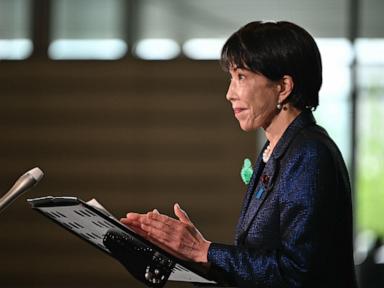
Japan just stopped pretending the world is safe. Prime Minister Haruka Yoshida’s move to launch a high-level panel for reviewing national defense policies isn't just another bureaucratic shuffle. It’s a loud signal that the post-war era of quiet pacifism is officially dead. If you’ve been watching the growing tensions in the East China Sea or the missile tests coming out of North Korea, you know this was inevitable. The old rules don't work anymore.
The panel is tasked with rethinking how Japan spends its money and how its military—the Self-Defense Forces (SDF)—actually operates. We aren't talking about small tweaks. We're talking about a fundamental shift in how a country that once swore off war prepares for one.
The Reality of Threats in 2026
You can't talk about Japan’s defense without looking at the map. To the west, China’s naval presence is expanding daily. To the north, Russia is increasingly cooperative with regional adversaries. And then there’s the constant, unpredictable threat of North Korea’s ballistic program. The Japanese public used to be deeply skeptical of military expansion. That’s changing. People are worried. They see what happened in Ukraine and they realize that "defense" isn't a theoretical concept. It’s survival.
The Prime Minister’s new panel includes former diplomats, military leaders, and tech experts. They’ve got a massive job. They need to figure out how to integrate AI, drone swarms, and cyber defense into a framework that was originally designed for 20th-century trench and naval warfare. It's a mess. Honestly, the current infrastructure is lagging.
Why the Old Strategy Failed
For decades, Japan relied on a "shield and spear" dynamic with the United States. Japan was the shield, and the U.S. was the spear. But the U.S. is stretched thin. Between conflicts in Europe and the Middle East, the American "security umbrella" feels a bit more like a parasol in a hurricane. Japan knows it can't just be the shield anymore. It needs its own teeth.
The previous defense budgets were capped at 1% of GDP for years. That’s gone. The target is now 2%, matching NATO standards. But money doesn't buy security if you don't have a plan. That’s why this panel matters. They have to decide where that money goes. Do they buy more American F-35s? Or do they dump billions into domestic missile tech that can strike back if Japan is hit? The debate over "counterstrike capabilities" is the hottest topic in Tokyo right now. It's controversial because it brushes right up against the edge of the pacifist Constitution.
Personnel is the Weakest Link
Here is what most news outlets won't tell you. Japan can buy all the Tomahawk missiles it wants, but it has nobody to fire them. The SDF is facing a massive recruitment crisis. Japan’s population is shrinking and aging faster than almost any other nation. Young people aren't lining up to join the military.
The panel has to address this. They're looking at increasing pay, sure. But they’re also looking at radical automation. If you don't have enough sailors, you build autonomous ships. If you don't have enough pilots, you use AI-driven wingmen. This isn't sci-fi. It's a desperate necessity for a country with more 80-year-olds than 18-year-olds.
The Cyber Front is Wide Open
Physical borders are easy to see. Cyber borders aren't. Japan has been notoriously slow in the digital theater. State-sponsored hackers have targeted Japanese infrastructure and defense contractors for years with relative ease. The new panel is pushing for a "passive-to-active" cyber defense shift.
Basically, this means Japan wants the authority to monitor and neutralize threats in foreign networks before they hit home. In the past, this was a legal nightmare. The legal framework didn't allow for preemptive digital action. But the Prime Minister is signaling that those legal barriers are about to come down. You can't wait for the power grid to go dark before you decide to fight back.
Regional Alliances are Shifting
Japan isn't doing this alone. The panel is looking at how to deepen ties with "like-minded" partners. We're seeing a surge in cooperation with Australia, India, and even South Korea—despite the historical baggage. The "Quad" is becoming more than just a talking shop. It's becoming a functional security bloc.
This isn't about starting a war. It’s about making sure the cost of starting one is too high for anyone else to pay. Deterrence only works if the other guy believes you’ll actually swing back. By launching this panel, Prime Minister Yoshida is telling the world that Japan is ready to swing.
What Happens Next
The panel is expected to deliver its first set of recommendations by the end of the year. Expect a massive push for domestic defense manufacturing. Japan wants to stop being a customer and start being a producer. This will likely mean more partnerships between the government and giants like Mitsubishi Heavy Industries.
Keep an eye on the upcoming budget debates in the Diet. That's where the real fighting will happen. The public supports defense in theory, but when they see the tax hikes required to pay for it, the mood might sour.
If you want to understand where Japan is headed, stop looking at the old treaties. Look at the technology and the recruitment numbers. The shift is happening now. It's fast, it's expensive, and it's completely changing the power balance in the Pacific.
Watch for the following indicators over the next six months.
- Announcements regarding joint drone development with UK and Italian firms.
- Legislative shifts that allow for "active cyber defense" maneuvers.
- Changes in SDF recruitment incentives, including potential roles for non-citizens or expanded civilian tech roles.
- Direct statements regarding the defense of Taiwan, which remains the ultimate red line in the region.