The White House Correspondents’ Dinner is supposed to be the moment Washington exhales. It is a peculiar, glitter-dusted tradition—a rare night where the sharp-tongued press and the powerful politicians they stalk sit together, trading barbs over overpriced hotel chicken. It is theater. It is performative civility.
Until the sound of a gunshot turns the theater into a tomb.
On the night the tranquility of the Hilton was violently punctured, the air didn't just vibrate; it curdled. To understand the gravity of a man standing in the shadows with the intent to terminate the life of a former President, you have to ignore the politics for a second. Strip away the campaigns, the polls, and the talking heads. Think instead about the anatomy of an assassination attempt. It is the sudden, jagged interruption of order.
Picture, if you will, the ballroom. A hypothetical server, let us call him Elias, is balancing a tray of water glasses near the perimeter. He has spent twenty years working these events. He knows the rhythm of the room—the laughter, the clinking silverware, the practiced poise of those who run the country. He is part of the furniture, invisible and omnipresent. When the first commotion erupts, he doesn't see a headline. He sees a man rushing a barricade. He sees the frantic, terrifying speed of Secret Service agents who have trained for this exact second their entire professional lives.
The man in custody stands accused of attempted assassination. But in the hours after the sirens die down, what remains is the haunting question of how close we came to the abyss.
History has a brutal way of reminding us that it is not a straight line. It is a series of frayed threads. We rely on the strength of our institutions to keep us safe, believing that the barrier between a functioning democracy and chaos is thick, impenetrable, and permanent. We see the motorcades, the men in dark sunglasses, the iron-clad security protocols. We trust them. We have to.
But the reality is far more porous.
Security, in any form, is an illusion managed by human beings. Agents are not machines. They are people who have families to call, exhaustion to manage, and human fallibility stitched into their very DNA. When someone decides they will cross the line—when the singular, twisted conviction of a lone actor overrides the collective weight of a security perimeter—the margin for error shrinks to a razor’s edge.
Consider the logistical nightmare of such an event. The Correspondents’ Dinner is a fortress, yet it is also a social gathering. How do you balance the need for open, accessible democracy with the grim necessity of a militarized police state? You cannot. You choose a compromise. And in that gap, in that tiny, uncomfortable space between security and freedom, resides the danger.
The suspect, now detained, is more than a name on a police blotter. He represents a chilling shift in the way we view our public spaces. We have moved into an era where every crowd, every speech, and every gala is measured not just by the quality of the oratory, but by the likelihood of a violent rupture.
I remember covering the aftermath of similar disruptions. The silence that follows is never peaceful. It is a heavy, pressurized silence that screams of lost innocence. The people in that room—journalists, aides, spouses—weren't just witnesses to a crime. They were witnesses to the failure of their own collective belief that they were untouchable.
The investigation now moves forward, digging into the "how" and the "why." They will look for manifestos, search histories, and digital footprints. They will trace the weapon back to its origin. They will analyze the security failure, dissecting the decision-making process of every agent on duty. This is the mechanical side of tragedy. It is necessary, but it misses the point.
The point is that we are fragile.
When you hear of a man targeting a former President, you are hearing the sound of a social contract unraveling. It isn't just about the life of one man, regardless of his status or the polarization he fuels. It is about the ability of a society to sit in a room together and disagree without the inevitable conclusion being an act of lethal violence.
The investigators will tell us whether the suspect acted alone. They will verify his background. They will try to categorize him into a box that makes sense, to label the impulse that drove him to that hotel that night. But regardless of the label, the scar remains.
As the investigation into the Washington incident proceeds, the city will tighten its grip. More barricades. More metal detectors. More vetting. We will try to patch the holes in the wall, believing that if we just add enough steel, we can prevent the next rupture. We focus on the perimeter because it is easier than looking at the heart. We look for the weapon, but we ignore the atmosphere that allowed the hand to hold it.
The real vulnerability isn't just the lack of a bag check or a missed security detail. It is the normalization of the threat. We have begun to accept that these things happen. We read the headlines, feel a fleeting chill, and then go back to our coffee, our emails, and our petty disagreements. We trade our shock for apathy because it is the only way to keep moving forward.
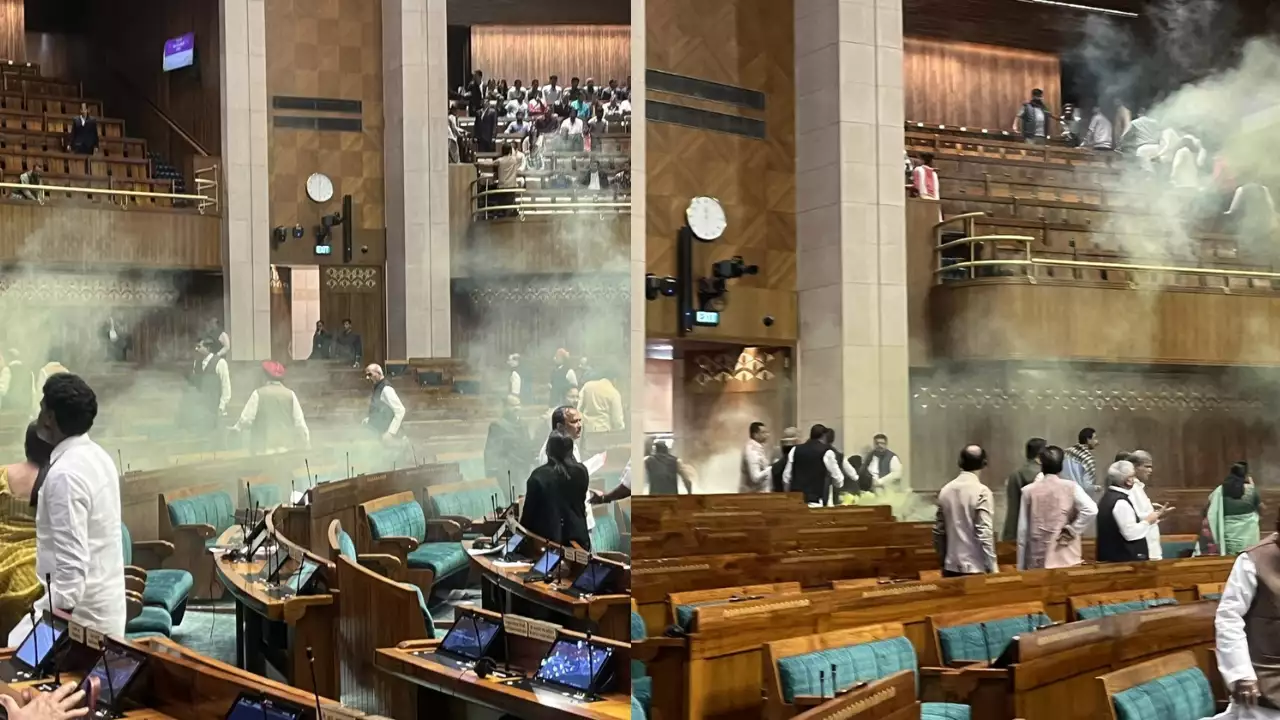
But look closely at the image of the crime scene that flashes across the screens. Look at the overturned chairs, the discarded programs, the abandoned champagne flutes. That is not just a messy room. That is the wreckage of our assumptions.
We live on the edge of a blade, constantly told that we are safe, while every passing year offers proof to the contrary. The suspect is in custody, and the law will take its course. The legal system will quantify his intent and assign his punishment. The news cycle will churn through his life until there is nothing left to strip away.
But out there, in the quiet spaces of a capital that feels increasingly like a battlefield, the tension persists. The glass that shattered that night wasn't just a metaphor. It was the sudden, sharp reality that nothing is ever truly secure.
The lights in the ballroom will be dimmed, the floor will be scrubbed clean, and by next year, the dinner will happen again. People will dress up. They will smile for the cameras. They will make jokes. But those who were there—and those who watched the world tilt on its axis that evening—will know the truth of the threshold.
They will know that the peace we cling to is not a given. It is a fragile, delicate thing, held together by the very people who were hiding under the tables, listening to the impossible sound of the world ending.
The echoes of that night don't fade. They simply wait for the next time the thin veneer of order wears too thin to hold back the dark.