The annual return of the President to the White House Correspondents’ Association (WHCA) dinner is often framed as a restoration of norms, a victory for the First Amendment, and a signal that the "adults" are back in the room. But for those of us who have spent decades in the trenches of political reporting, the sight of the commander-in-chief yukking it up with the very people assigned to hold him accountable feels less like a celebration and more like a funeral for objectivity. When the leader of the free world takes the stage to trade barbs with the press corps, the boundary between the watcher and the watched dissolves into a mess of high-society networking and performative banter.
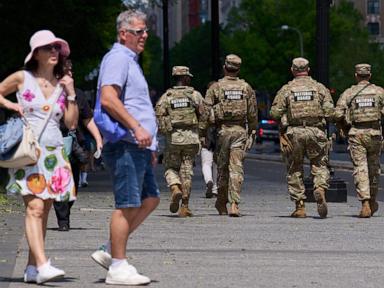
This event has become the ultimate symbol of the "Beltway Bubble." It is a night where the life-and-death consequences of federal policy are traded for the cheap currency of a well-timed punchline. While the public expects a watchdog, they instead get a variety show. Recently making news recently: Operational Inertia and the Militarization of Civil Governance The Strategic Cost of Indefinite National Guard Deployments.
The Illusion of Access
The core premise of the dinner is built on a lie. That lie suggests that social proximity to power equates to journalistic insight. In reality, the opposite is true. The more comfortable a reporter feels sharing a shrimp cocktail with a cabinet secretary, the less likely they are to ask the devastating question that could end the relationship.
Washington has always functioned on a system of favors and access, but the dinner codifies this transaction. It transforms the press from an independent estate into a supporting cast for the executive branch's branding efforts. When the President attends, he isn't there to support a free press; he is there to domesticate it. By participating in the self-deprecating humor of the night, he builds a reservoir of "relatability" that acts as a shield against future scrutiny. It is much harder to write a scathing exposé on a man who just made you laugh about his own poll numbers. Further information into this topic are covered by The Guardian.
The Celebrity Pivot
Beginning in the late 1990s and accelerating wildly during the Obama era, the dinner shifted from a dry trade association gathering into "Nerd Prom." The introduction of Hollywood stars into the mix served a specific purpose. It raised the stakes of the event, making it a high-glamour destination that boosted the status of the journalists involved.
However, this status came at a steep price. When reporters are more concerned about which starlet is sitting at their table than the inconsistencies in the latest jobs report, the audience notices. The American public’s trust in media has cratered precisely because the media appears to be part of the same elite class they are supposed to be investigating. To a factory worker in Ohio or a teacher in Arizona, the sight of a famous news anchor laughing at a joke told by the President isn't "the return of decorum." It looks like a secret club where the members are all in on the joke, and the public is the punchline.
The Comedy as a Tactical Weapon
We need to talk about the jokes. The "roast" format of the dinner is a sophisticated piece of political theater. It allows the President to address his greatest weaknesses under the guise of humor. This is a tactic known as "inoculation." If a President can make a joke about his age, his gaffes, or his failing foreign policy before a reporter can write a serious piece on it, he effectively neuters the criticism.
The audience—the press—laughs along, becoming complicit in the trivialization of their own beats. This isn't a small problem. It creates a culture where the gravitas of the office is used to charm the critics into submission.
- Self-deprecation is used to signal humility while maintaining absolute control of the room.
- Barbs at the press are framed as "good-natured ribbing" to mask the genuine hostility the administration may feel toward tough questioning.
- The presence of corporate sponsors ensures that the evening is wrapped in the interests of the massive conglomerates that own the news outlets.
The Echo Chamber Effect
The dinner does not exist in a vacuum. It is the apex of a social calendar that keeps the Washington press corps insulated from the realities of the country they cover. When the President attends, he validates this insulation. He tells the press they are "important" and "necessary," but only within the context of this specific, ritualized setting.
Outside the ballroom, the reality is far more grim. While the champagne flows, local newsrooms are being gutted by private equity firms. Reporters in the "flyover states" are struggling to cover city council meetings on a shoe-string budget. The glitz of the DC dinner provides a veneer of health to an industry that is actually in a state of advanced decay. By focusing on the President’s attendance, we ignore the structural collapse of the fourth estate elsewhere.
A History of Hostility
We are told that the President’s presence is a sign of a healthy democracy. This ignores the fact that some of the most productive eras of journalism occurred when the President and the press were at each other’s throats. The tension is supposed to be there. It is a feature, not a bug.
When the dinner was boycotted by the previous administration, the media treated it as an existential threat. In hindsight, that period of open hostility was far more honest. It stripped away the pretense of friendship. It reminded reporters that their job is not to be liked by the people in power. The current rush to return to "normalcy" is actually a rush to return to a state of comfortable subservience.
The Financial Conflict of Interest
The economics of the White House Correspondents’ Dinner are rarely discussed in the televised coverage. News organizations pay thousands of dollars for tables. They invite clients, lobbyists, and politicians as their guests. This is a blatant conflict of interest.
If a tech giant is being investigated by the DOJ, and that tech giant’s CEO is sitting as a guest at a major network’s table, can that network truly claim to be impartial? The dinner is a networking event for the powerful, masquerading as a celebration of the powerless. The President is the ultimate "get" for the WHCA because his presence increases the value of those tables. He is the headliner in a corporate pitch deck.
The Polarization Trap
The event also feeds into the "us versus them" narrative that dominates modern politics. Because the dinner is seen as a liberal-leaning elite gathering, the President’s attendance serves to further alienate half the country. It reinforces the idea that the "mainstream media" is the communications arm of a specific political faction.
Even if the reporting produced by these journalists is factually accurate, the optics of the dinner provide endless ammunition for those who want to discredit the news. The President knows this. He uses the dinner to solidify his base of support within the media class while simultaneously appearing "above the fray" to his supporters.
Breaking the Cycle
If the WHCA truly wanted to honor the First Amendment, they would stop inviting the President. They would stop inviting Hollywood celebrities. They would turn the event into a serious, somber reflection on the state of the industry, focused on the reporters who are being jailed abroad or the local journalists fighting for transparency in small towns.
Instead, they choose the party. They choose the red carpet. They choose the validation that comes from having the most powerful person in the world tell them a few jokes.
The industry is currently facing a crisis of relevance. With AI-generated content on the rise and social media platforms deprioritizing news, the traditional media is fighting for its life. In this environment, the White House Correspondents’ Dinner is a grotesque distraction. It suggests that everything is fine, that the old rituals still work, and that the relationship between the press and the President is a healthy one.
It isn't. The relationship is transactional, hollow, and increasingly dangerous to the health of our republic.
Journalists need to decide if they want to be part of the show or if they want to report on it. You cannot do both. You cannot be the person who holds the President’s feet to the fire during the day and the person who holds his coat at night. The credibility of the entire profession rests on that distinction, and right now, that distinction is being laughed away at a black-tie gala.
The next time you see a clip of the President making a room full of reporters roar with laughter, don't see it as a return to normalcy. See it as a surrender. The press isn't winning because the President showed up; they are losing because they still care that he did.
Stop going to the party. Start doing the work.