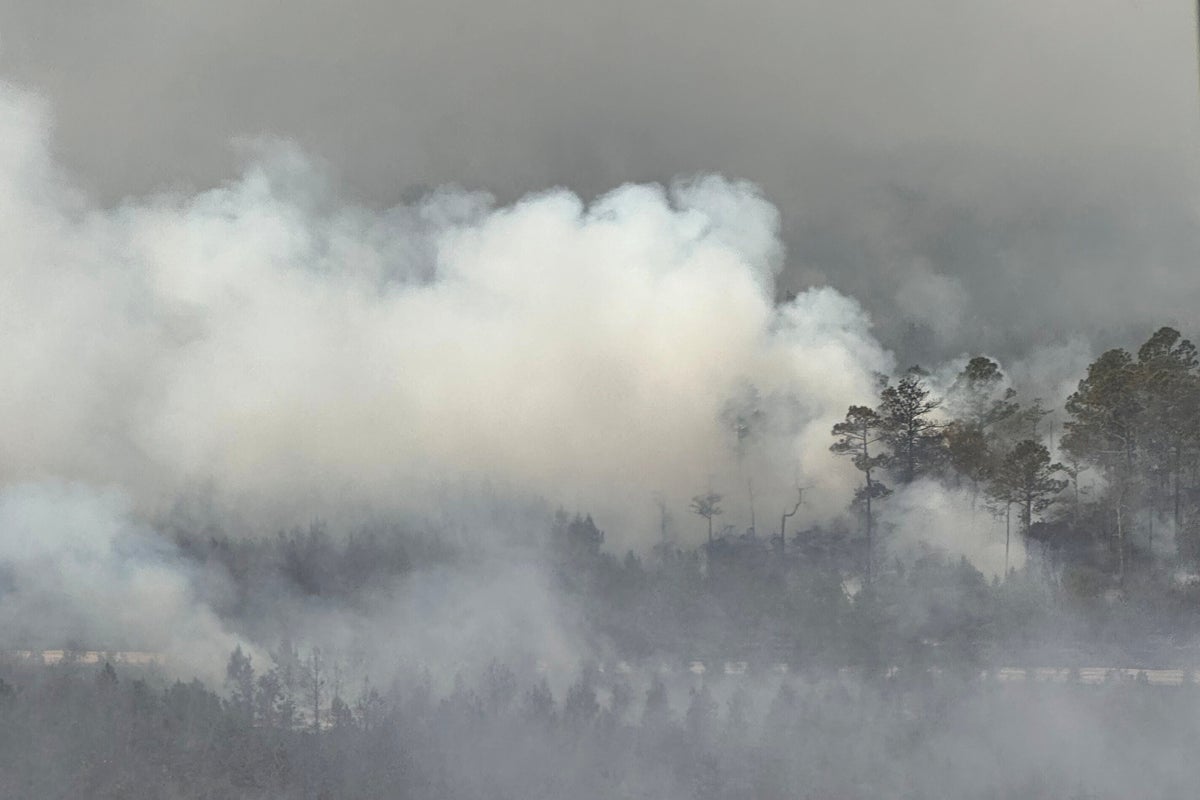
The operational efficacy of Ukraine’s long-range drone program is not measured by the destruction of individual airframes or singular depots, but by the systemic degradation of Russia’s logistical throughput and economic stability. By shifting from reactive defense to proactive strategic interdiction, Ukraine has established a three-front pressure campaign targeting the Russian energy sector, front-line troop concentrations, and the psychological equilibrium of the Russian populace. This architecture relies on an unfavorable cost-exchange ratio for the defender, where low-cost autonomous systems force the expenditure of high-value kinetic interceptors and create massive downstream economic friction.
The Economic Physics of Energy Interdiction
The primary objective of Ukraine’s deep-strike strategy is the systematic disruption of the Russian hydrocarbon supply chain. This is not a campaign of random demolition; it is a calculated attack on high-value, long-lead-time infrastructure.
Refinery Fractionation Columns as Strategic Bottlenecks
Refineries are complex industrial ecosystems, but they possess a critical failure point: the atmospheric and vacuum distillation towers (fractionation columns). These components are massive, highly engineered pieces of equipment that cannot be easily replaced or bypassed.
- Replacement Latency: A destroyed distillation unit requires specialized metallurgical expertise and months of fabrication. Under the current sanctions regime, acquiring these components from Western manufacturers is restricted, forcing Russia to rely on domestic production or Chinese alternatives, both of which introduce significant delays.
- Production Contraction: Damaging a single fractionation column can take an entire refinery offline or significantly reduce its capacity to produce high-octane gasoline and diesel, essential for both the domestic economy and military logistics.
[Image of a petroleum refinery distillation tower]
The Cost Function of Air Defense
The mathematical reality of this campaign favors the aggressor. A Ukrainian OWA (One-Way Attack) drone, such as the Lyutyi, may cost between $30,000 and $100,000 to produce. Interdicting these assets requires Russian forces to deploy Pantsir-S1 or S-400 systems.
- Interceptor Depletion: Each interceptor missile costs several times more than the target drone.
- Coverage Gaps: Russia’s vast geographic expanse makes it physically impossible to provide point defense for every industrial site. Every battery moved to protect a refinery near St. Petersburg is a battery removed from the front lines in Donbas or the Crimean hub.
Logistical Strangulation and Troop Concentration
Beyond the energy sector, the drone commander’s focus extends to the kinetic destruction of Russian "force generation" capabilities. This involves a shift from targeting individual soldiers to targeting the systems that sustain them.
Ammunition Depot Vulnerability
Modern warfare is a contest of caloric and caloric-adjacent (ammunition) delivery. Ukraine’s use of long-range drones to strike large-scale storage facilities—some hundreds of kilometers behind the contact line—triggers a "Logistics Shadow." When a regional depot is destroyed, the Russian military is forced to move its supply nodes further back. This increases the "Last Mile" transport distance, requiring more fuel, more trucks, and more time, all while increasing the window of vulnerability for Ukrainian FPV (First-Person View) drones to strike convoys.
The Suppression of Troop Rotations
Concentrations of troops in rear-area training camps or staging points represent high-density targets. By utilizing drones equipped with cluster munitions or thermobaric payloads, Ukraine disrupts the Russian "rotation cycle." If troops cannot rest or train in safety 100km behind the lines, their combat effectiveness decays. This creates a feedback loop of exhaustion that directly influences the stability of the front-line trenches.
Psychological Attrition and the Morale Delta
The third pillar of this strategy is the erosion of the Russian "Stability Social Contract." The Kremlin’s domestic narrative relies on the war remaining a distant, televised event. Regular drone incursions into Russian oblasts—specifically those targeting Moscow or industrial hubs—shatter this insulation.
The Signal-to-Noise Ratio of Air Sirens
The goal is not necessarily to cause mass civilian casualties, which would be counterproductive to international support. Instead, the objective is "Persistent Threat Presence."
- Economic Friction: Regular drone alerts force the closure of airspace, disrupting commercial aviation and causing ripples through the transport economy.
- Psychological Load: The constant sound of air defenses and the visual evidence of fires at local oil depots force the Russian populace to confront the reality of the conflict. This erodes the "apathy-based support" the Kremlin relies on.
Technical Evolution of the Drone Fleet
The success of these operations is predicated on a rapid iterative design cycle. Ukraine has moved past repurposed hobbyist tech into purpose-built military hardware that addresses specific Russian electronic warfare (EW) countermeasures.
GNSS-Independent Navigation
Early drone models were highly susceptible to GPS jamming. The current generation employs sophisticated alternatives:
- Terrain Contour Matching (TERCOM): Using onboard sensors to compare the ground below to pre-loaded digital maps.
- Inertial Navigation Systems (INS): High-quality gyroscopes and accelerometers that maintain heading even when all external signals are severed.
- Visual Odometry: Real-time image processing that allows the drone to "see" and navigate based on landmarks.
Structural Modularity
Ukraine’s drone manufacturing is decentralized. Components are produced in "micro-factories" across the country, making the supply chain nearly impossible to eliminate through missile strikes. This modularity allows for the rapid integration of different warheads—fragmentation, incendiary, or high-explosive—depending on the specific target profile (e.g., a fuel tank vs. a radar array).
Constraints and Systemic Risks
While the drone campaign is a powerful asymmetric tool, it is not a panacea. Several bottlenecks limit its ultimate ceiling:
- EW Adaptation: Russia is a global leader in Electronic Warfare. They are constantly updating their signal-jamming libraries. A drone that is effective today may be rendered obsolete within weeks as Russian "electronic domes" adapt.
- Scalability of Precision Components: While airframes are cheap, the high-end sensors and processors required for autonomous terminal guidance are subject to global supply chain pressures.
- The Threshold of Escalation: There is a constant tension between striking deep enough to cause systemic damage and avoiding actions that could trigger a disproportionate non-conventional response, though this threshold has proven more elastic than many analysts originally projected.
Operational Forecast and Strategic Realignment
The data indicates that Ukraine will continue to increase the "Mass" of its drone strikes. We are moving from "Harassment" (1–5 drones) to "Saturation" (50–100+ drones per mission). Saturation strikes are designed to overwhelm the processing capacity of Russian SAM (Surface-to-Air Missile) systems. Once the fire-control radars are saturated, a percentage of the "leakers" will inevitably reach the target.
The strategic play for the coming months is the "Cross-Domain Synergies" between drone strikes and traditional maneuver warfare. By timing deep strikes on fuel infrastructure to coincide with local counter-offensives, Ukraine can starve Russian armored units of the diesel required for rapid repositioning.
To maximize this advantage, the Ukrainian command must prioritize the following:
- Targeting of EW "Hubs": Using specialized anti-radiation drones to hunt the Russian jamming stations that protect refineries.
- Expansion of Sea-Drone Integration: Synchronizing aerial strikes with naval drone attacks on Black Sea infrastructure to force a total collapse of Russian maritime logistics.
- AI-Driven Target Selection: Utilizing automated analysis of satellite imagery to identify the specific refineries currently operating at peak capacity, ensuring that every strike yields the maximum possible reduction in "Golsan" (Gasoline, Oil, and Lubricants) output.
The conflict has transitioned into a war of industrial endurance where the "Front Line" is now any coordinate within a 1,500km radius of the Ukrainian border. The commander’s success depends not on winning a single battle, but on making the cost of Russian occupation economically and logistically unsustainable through the relentless application of low-cost, high-intelligence kinetic pressure.